Can You Sell a House with Squatters In It?
Squatters’ Rights Explained






Selling a home is usually a straightforward process of valuations, viewings and paperwork.
That is… until you find out uninvited occupants have been living in your building. Then the situation shifts from run-of-the-mill to a legal (and emotional) minefield. It sounds like the stuff of nightmares, we grant you, but be under no illusion that this doesn’t happen. Because sadly, it really does.
If this has happened to you and you’ve got here by asking ‘can you sell a house with squatters?’ then you’re in the right place, and we’ve got your back.
The short answer is a resounding yes, you can sell a house with squatters, you’ll be pleased to hear. But you’ll probably be less delighted to learn that the path to get there is (sadly) fraught with complications that can easily cause a house sale to fall through if not handled with delicate precision.This is because squatters create a unique (and not all that enjoyable) set of hurdles for homeowners, affecting everything from property insurance to market value. To help – because we know exactly how frustrating and upsetting this can be – this comprehensive guide explains what squatter’s rights are, the legal risks involved, and how you can still achieve a fast house sale …even when your property is occupied by people who shouldn’t be there.
What is a squatter?
In the eyes of the law, a squatter is someone who deliberately enters a property without permission and intends to live there. In legal terms, this is known as ‘adverse possession’ in the long term, but before you get there, it’s nothing short of a headache and a challenge to your rights as a property owner.
Squatting vs. trespassing: the legal distinction
While the terms are often used interchangeably, there is in fact a subtle (but vital) legal distinction between the two in the UK. Which is this:
- A trespasser: Usually enters land or a building temporarily (e.g., taking a shortcut or attending a one-off event). This is largely a civil matter.
- A squatter: Occupies the building as a residence. This is a legal matter.
Why does squatting happen?
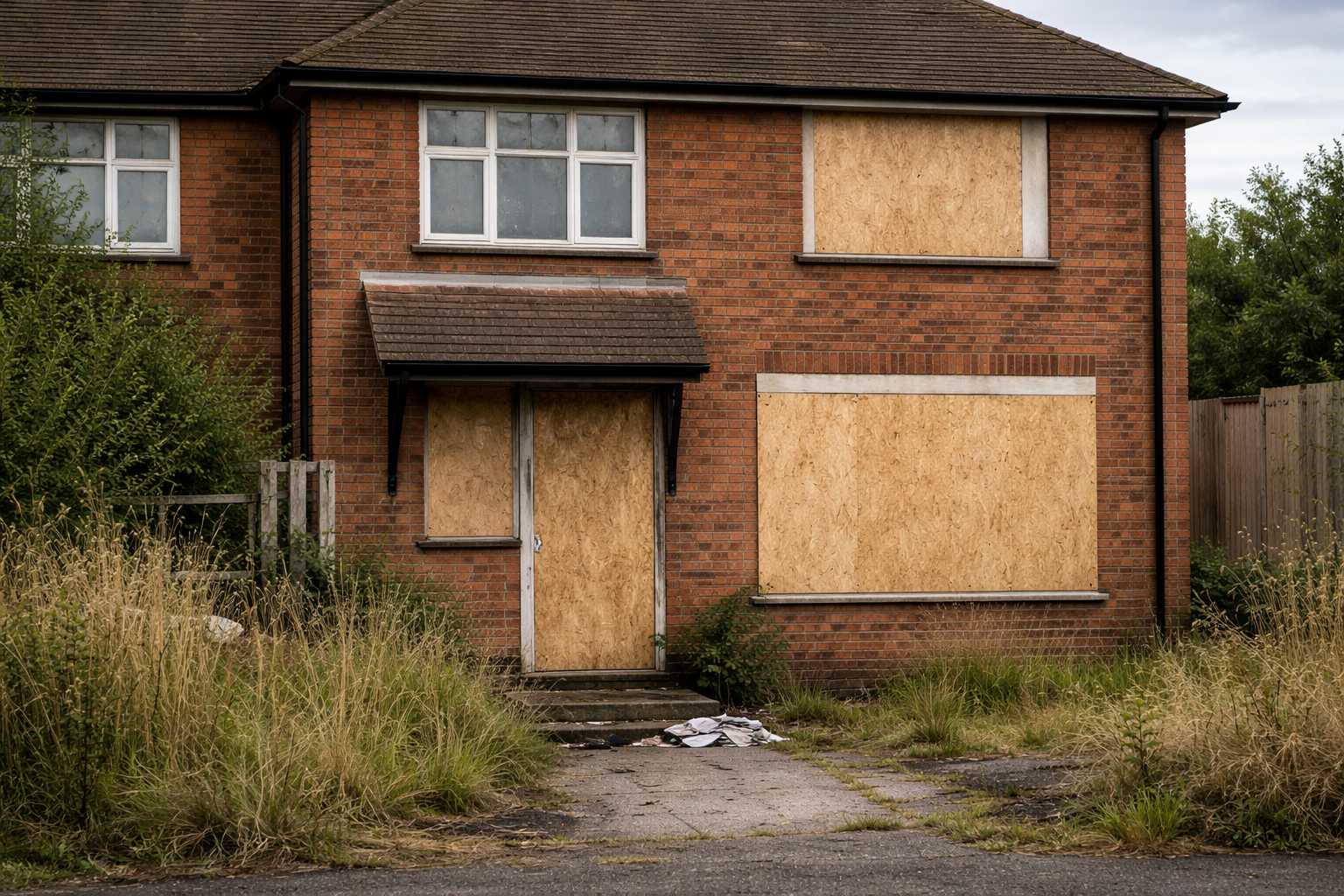
Squatters are opportunistic and target properties that have been vacant for extended periods. Common targets include:
-
- Probate properties: Homes stuck in long probate chains often sit empty (and vulnerable).
-
- Holiday homes: Properties left empty during the off-season.
-
- Commercial conversions: Buildings being transitioned from commercial to residential use.
-
- Tenanted properties: If a previous eviction process has left the unit empty before the new owner takes over, this presents an opportunity.
Since 2012, squatting in residential buildings has been a criminal offence in the UK under Section 144 of the Legal Aid, Sentencing and Punishment of Offenders Act. Despite this, though, it definitely still happens, unfortunately, and often leaves owners scrabbling in its wake, trying to navigate complex civil litigation just to regain control of their own properties.
How long before someone can claim squatters’ rights?
It takes at least a decade of continuous (undetected) occupation. The Land Registry will notify the actual owner if a squatter applies for title, so you are made aware and do get the chance to object. It’s worth noting here that successful claims are incredibly rare.
Can a squatter change the locks?
Yes, and they often do. Which, from their perspective, makes sense. But for the property owner, makes things a whole lot more tricky.
In fact, what do squatters do first pretty much every time? They secure the property to prevent the owner from easily re-entering …i.e change the locks. While it feels like a violation, the police often view this as a civil matter rather than ‘breaking and entering’ if the squatter claims they entered through an unlocked door.
Why do squatters have rights?
This is a common question. It comes in many variations of: ‘what are squatters’ rights and why do they exist?’ Historically, squatters’ rights laws were put in place to make sure land didn’t go to waste. So, if an owner abandoned a property for decades, the law allowed someone else to put it to productive use. And that kind of makes sense. Or rather, did then. Today, these rights primarily come into play to make sure that evictions are handled through the courts rather than through potentially violent ‘frontier justice’ (AKA taking matters into your own hands. Which is really not advisable.)
The squatting minefield: fact vs. fiction
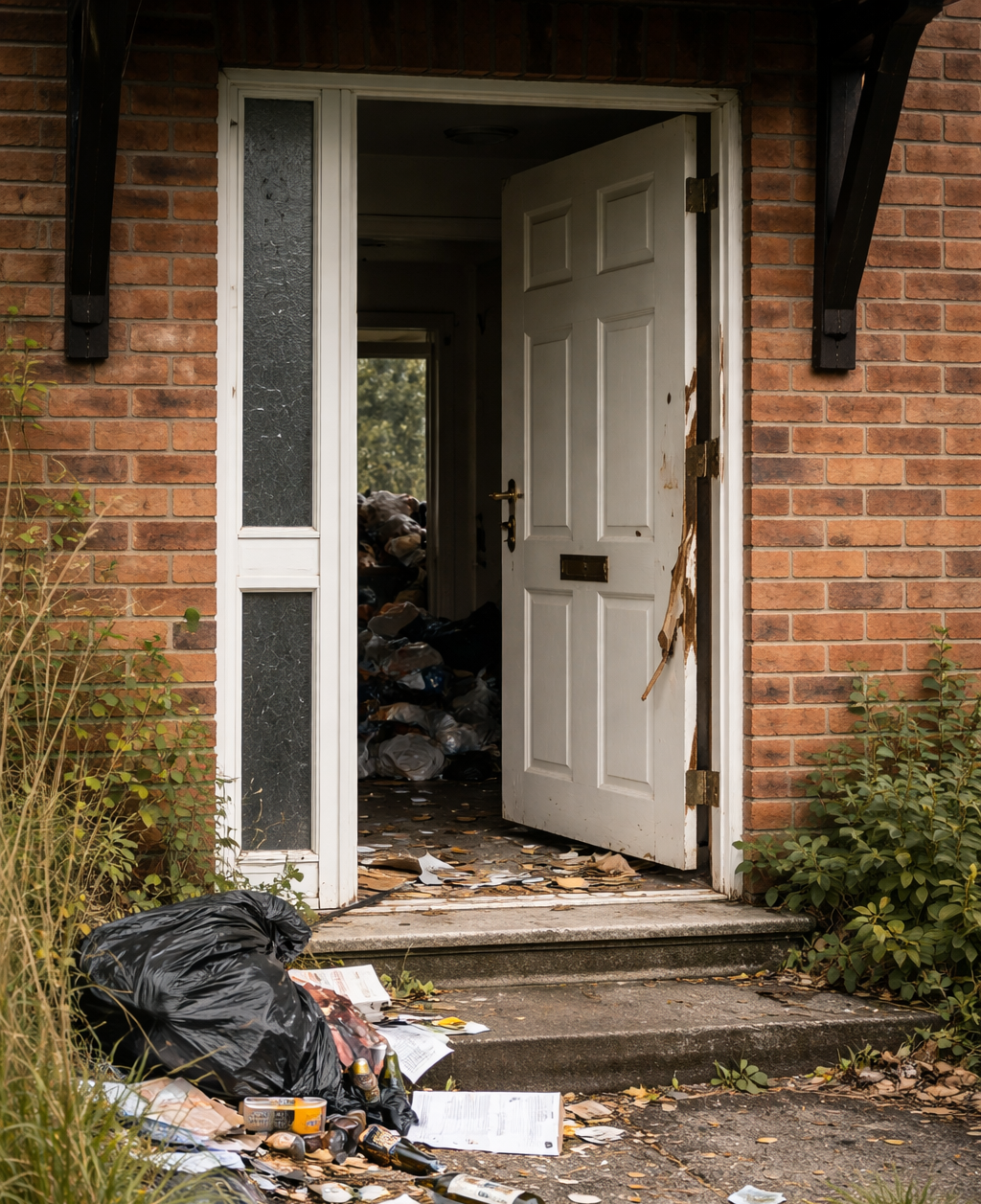
There is a massive amount of ‘pub law’ (i.e. chat sold as fact over a cold beer) surrounding squatters’ rights in the UK. which is why so many homeowners end up worried that a squatter can simply walk in and own the deed. The legal realities of the Legal Aid, Sentencing and Punishment of Offenders Act 2012 (Section 144) are here to separate the fact from the fiction. We’ve outlined the key points below, to save you sifting through them.
| The myth | The legal reality |
| Squatting is always a civil matter, and the police won’t help. | Fiction. Since 2012, squatting in a residential building has been a criminal offence. The police have the power to enter and arrest squatters under Section 144. It only becomes a civil matter if the building is commercial or if the occupant is a ‘trespassing tenant’ (someone who once had a legal right to be there). |
| If they change the locks, I’ll lose my house. | Fiction. While changing locks makes getting in more difficult, it doesn’t grant them legal title. It can be a tactic used to establish ‘exclusive possession’, which is a requirement for a future adverse possession claim, but that takes over a decade to become applicable. |
| I can’t sell the property until the squatters are gone. | Fiction. You can legally sell a house with squatters. However, it is a “distressed sale.” While traditional buyers will flee, a cash house buyer will often take on the legal headache for you, allowing for a fast house sale despite the occupants. |
| Squatters have a right to ’30-day residency’. | Fiction. There is no ‘30-day rule’ in UK law that grants rights. In fact, if you discover them and apply for an Interim Possession Order (IPO) within 28 days, the eviction process is significantly faster and cheaper than waiting longer. |
| If I use force to get them out, it’s my right as the owner. | Fiction (and a dangerous one). Under the Criminal Law Act 1977, using or threatening violence to enter a property while someone is inside (even an illegal squatter) is a criminal offence. You could end up in a cell while the squatter stays in your living room. Not ideal. |
Important distinction: residential vs. commercial
It’s important to note that Section 144 only applies to residential buildings. If you’re selling a probate property that was a former home, you are protected by criminal law. However, if the squatters move into a detached garage, a barn, or a commercial warehouse you’re converting, the police might be unable to arrest them, which would force you down the (much longer) path of civil litigation and a Standard Possession Claim.
Can you sell a house with squatters?
As we’ve said above, the short answer is yes, you can sell a house with squatters.
But …and here’s the clincher… it is then classified as a ‘distressed” sale. Meaning, if you’re selling property with squatters, you are obliged to disclose this to any potential buyer. Failure to do so is a breach of contract and could lead to significant legal action against you. Unfair though that may seem, when this is in no way your fault.
Why traditional buyers hesitate
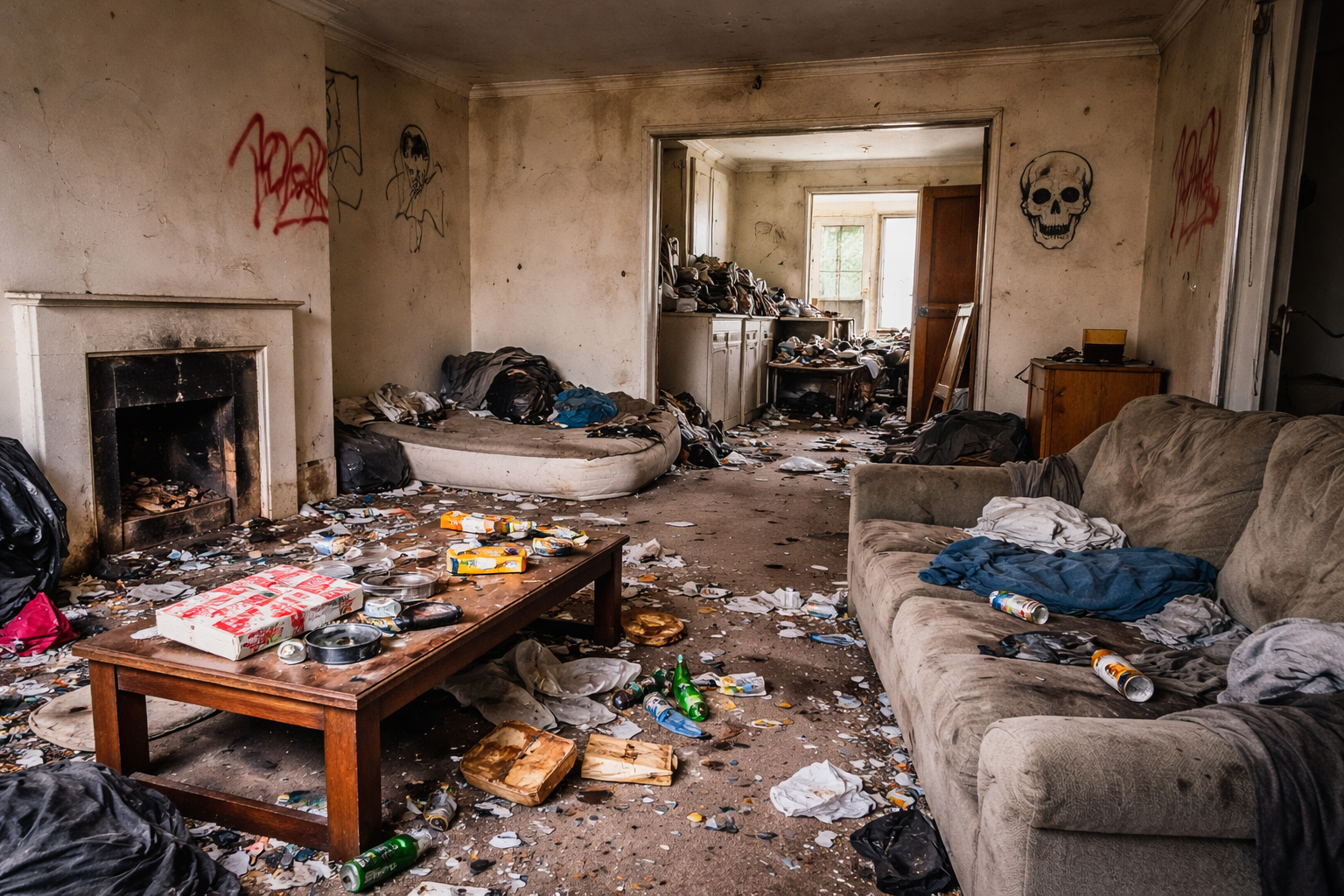
The average person looking for a family home will rarely buy a property with squatters. And here’s why:
- Mortgage refusals: Banks will not generally lend on a property occupied by unauthorised persons.
- Legal liability: The buyer inherits the cost and stress of the eviction process.
- Damage risk: Squatters might damage the interior out of spite, once they realise an eviction is on the cards.
If you find yourself in this position, you typically have to look for a cash house buyer, because they have the legal resources to deal with the occupants after the sale has gone through (and, unlike so many other buyers, are happy to buy a house that’s occupied by squatters).
How squatters impact property sales
The presence of squatters acts as a black mark on a property’s history, and can lead to several (unenjoyable) measurable impacts:
- Reduced buyer demand: You’re limited to professional investors and developers.
- Lower property value: Expect a price reduction of 20% to 30% to account for legal fees, eviction costs, and the hassle factor.
- Conveyancing delays: Solicitors will need to draft specific indemnity clauses, and the buyer’s side will perform extra due diligence.
- Insurance issues: Many buildings insurance policies are voided if the property is occupied by squatters, as the risk of fire or water damage increases massively.
- No viewings: You can’t safely (or legally) show the property to buyers while squatters are inside, which makes a traditional house sale nigh-on impossible.
Is your property at risk of squatters?
Squatters look for the path of least resistance. Which is why you’re at a higher risk of having a problem with squatters if your property falls into these categories:
- Probate properties: Long delays in the grant of representation often leave homes empty (and therefore vulnerable)
- Repossessions: Properties that have been taken back by banks often sit vacant for months.
Vacant rentals: Especially those in high-demand urban areas, where the transition between tenants is delayed.
How do you remove squatters?
Step 1: Call the police
Step 2: The Interim Possession Order (IPO)
Step 3: Standard possession claim
Warning: This might sound obvious, but never attempt to forcibly remove squatters yourself. Using anything that could be perceived as ‘violence or the threat of violence’ to enter your own property when someone is present is a criminal offence under the Criminal Law Act 1977. As maddening as that may be.
Options for selling a house with squatters
If you find out your property has squatters, you have three options:
Option 1: Evict first, then sell
- The Process: Hire a solicitor, get a court order, and use bailiffs to clear the property. Then, repair damage and list on the open market.
- The Pro: You get the highest possible price.
- The Con: It can take 6–12 months and costs thousands in legal fees.
Option 2: Sell your house at auction
- The Process: Auctions attract investors who are used to ‘problem’ properties.
- The Pro: The sale is binding once the hammer falls.
- The Con: You’ll pay high commission fees, and the eventual sale price is usually much lower than market value.
Option 3: Sell to a cash house buyer
- The Process: Companies like Sell House Fast buy properties ‘as-is’ – squatters and all.
- The Pro: You get a guaranteed sale in as little as 7 days. You stop paying the mortgage and insurance immediately, and the eviction becomes the buyer’s problem.
- The Con: The price will be a discount on the full market value.
How to prevent squatting
The best way to remove a squatter is to never let one in. Sounds obvious, we grant you, but stick with us here. There are ways and means:
- Secure entry points: Use high-quality deadbolts and consider boarding up windows in high-risk areas.
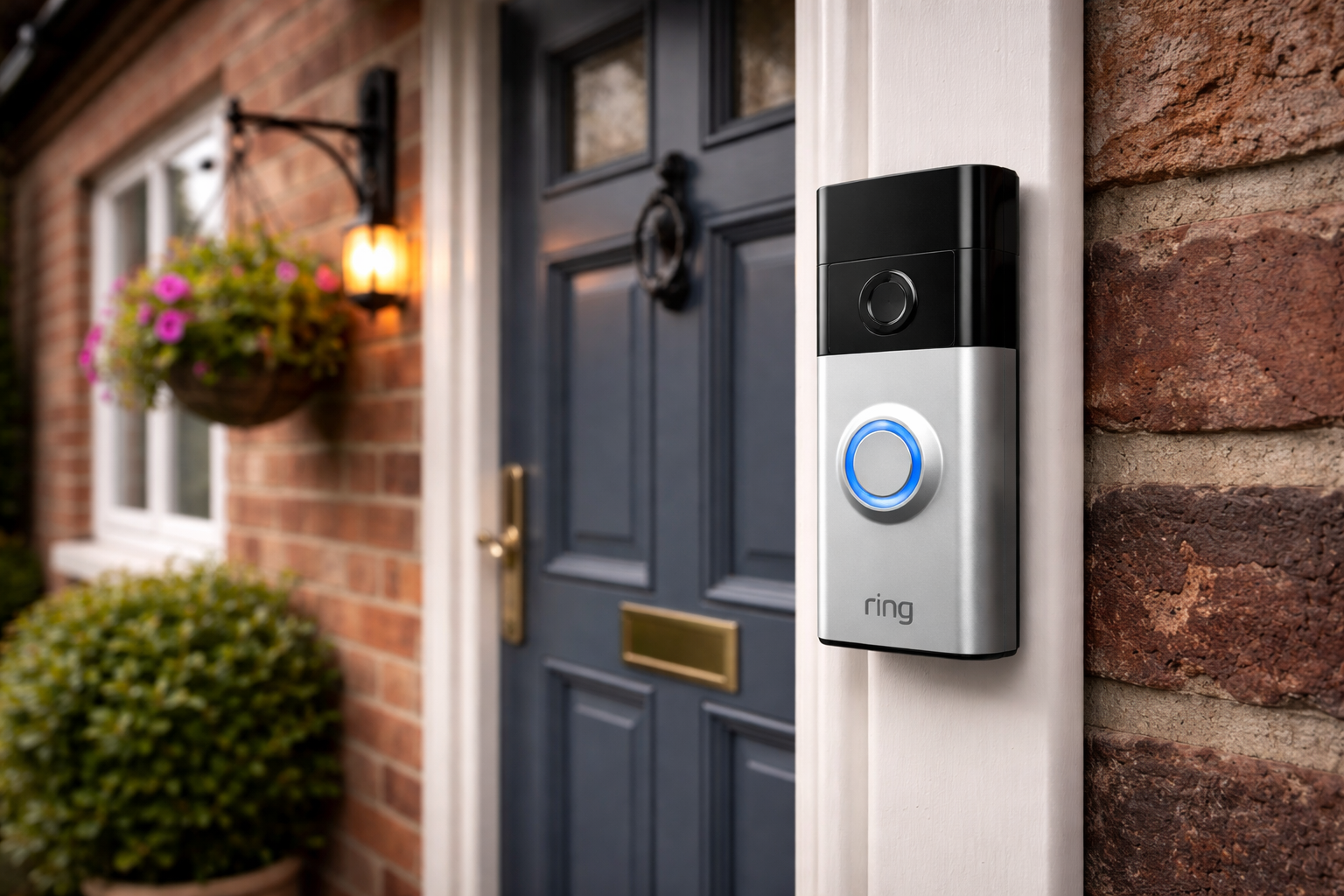
- CCTV and alarms: Smart doorbells and monitored alarms can alert you the moment someone tries to enter.
- Regular inspections: If the property is empty, visit it at different times of the week.
- Neighbour awareness: Ask neighbours to call you if they see lights on or people moving in.
Real-life examples of squatting
Recent media coverage shows how dramatically squatters can affect homeowners:
1. Homeowner’s four-year ordeal with squatters
In Uxbridge, Roukia Kamugisha battled squatters in her home for four years after they exploited COVID eviction bans. She faced £105,000 in rent arrears and major property damage before finally regaining control through the courts.
2. Identity theft leads to unlawful sale and squatting
In Luton, Reverend Mike Hall’s identity was stolen, and his house was sold without his consent. After reclaiming ownership, he found squatters living there under a fake rental. A court ordered their removal, but the ordeal left lasting financial and legal troubles.
These stories highlight the emotional and financial toll that squatting can have on homeowners, emphasising the importance of acting quickly.Real-life examples of squatting
Selling your house with squatters
Squatters are a major complication, but the good news is that they don’t make your property unsellable. They just make it trickier to achieve. Whether you’re selling a probate property, a vacant rental, or any property where squatters have moved in, you have the right to regain control.
- Act fast: The 28-day window for an IPO is your new best friend.
- Stay legal: Avoid the temptation to use force.
- Assess your urgency: If you can’t afford the legal fees or the time, a professional cash buyer is your best route.
Need to sell your house fast, despite having squatters? We specialise in buying properties that are traditionally ‘unsellable’. Contact Sell House Fast today for a cash offer and let us handle the legal (and emotional) headache for you.