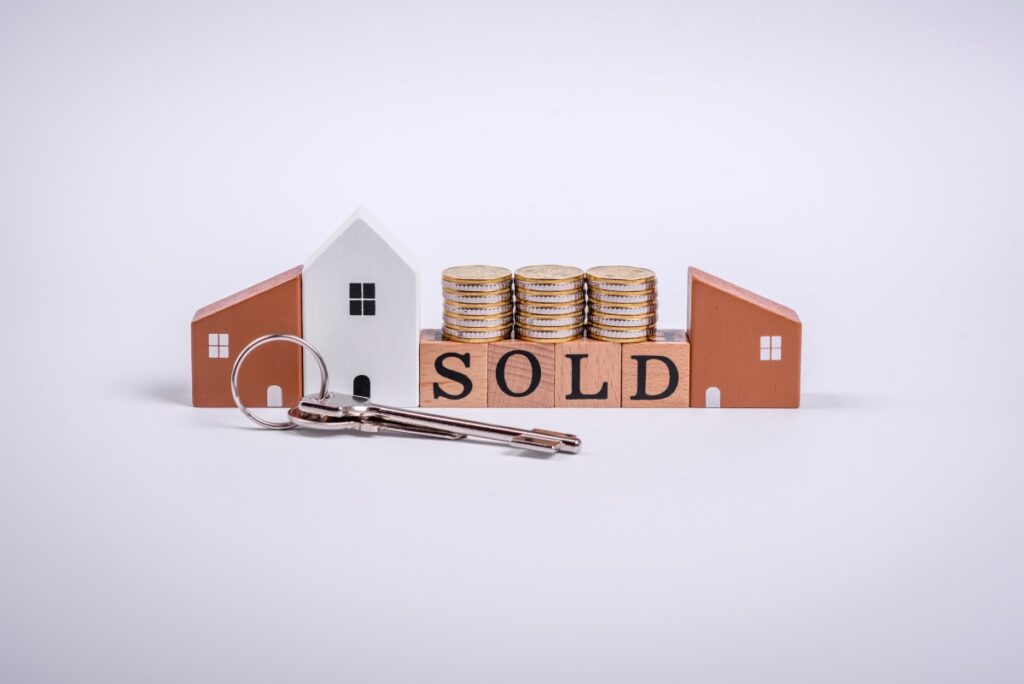
7 Signs It’s Time to Sell Your House
Selling a house is rarely a decision that arrives on a specific date. It usually creeps up over months of small frustrations, quiet calculations, and passing thoughts that eventually harden into a real intention to move. Recognising the shift when it’s happening is more useful than waiting for something dramatic to force the decision.
Here are the seven signs that most commonly indicate the balance has tipped and selling is worth serious consideration.
1. The House No Longer Fits Your Life
The most obvious sign is also the most common. Families outgrow houses as children arrive and grow up, while empty-nesters find themselves rattling around properties that made sense fifteen years ago and don’t now. If you’re constantly frustrated by not having enough space, or paying to heat and clean rooms nobody uses, the property has stopped serving you.
Storage matters more than people realise here. If garages, lofts, and spare rooms are stuffed with things you can’t fit into your actual living space, the house is quietly telling you it’s the wrong size.
2. The Financial Pressure Has Become Constant
Housing costs that were comfortable when you moved in can become a real strain when circumstances change. Interest rate rises, job changes, family expenses, or unexpected repairs can shift a manageable monthly budget into something that feels impossible. If you’re regularly moving money around to cover the mortgage, or if you’ve started dreading the direct debit dates, these are some of the first financial signs it may be time to sell.
Downsizing to release equity and reduce ongoing costs is one of the most common reasons people sell, and doing it before the pressure becomes acute produces much better outcomes than waiting until you’re forced.
3. Your Work or Family Situation Has Changed
Job relocations, new relationships, family responsibilities, and health changes all shift the picture of what a home needs to do for you. A property in the wrong location for your current life adds friction to every day, even if the friction is small enough that you don’t consciously notice it.
Long commutes, complicated childcare logistics, distance from ageing parents, or the need for accessibility features are all situations that get harder rather than easier over time. Moving earlier rather than later gives you more choice and more time to find the right next property.
4. The Maintenance Feels Overwhelming
Every property has maintenance costs, but there’s a threshold beyond which the ongoing work stops feeling like normal upkeep and starts feeling like a running battle. Roofs that need replacing, boilers that keep breaking, damp that keeps returning, and gardens that have grown beyond your capacity to manage are all signals that the property has become a burden rather than a home.
Some sellers respond by investing heavily in bringing the property back to condition. Others recognise that the money and time involved would be better spent moving to somewhere newer or smaller that suits their current stage of life.
5. You’ve Emotionally Left Already

Sometimes the practical case for staying still works but the emotional attachment has faded. You catch yourself scrolling property listings for other areas, imagining life somewhere else, or feeling flat when you come home. If the house has become somewhere you sleep rather than somewhere you live, that’s meaningful.
This is a particularly common sign after major life events like bereavement, divorce, or children leaving home. The house that held decades of memories can become a place you’re stuck rather than a place you belong.
6. The Local Area Has Changed
Neighbourhoods evolve. New developments, changing demographics, altered transport routes, new schools or the closure of old ones, and shifts in the local economy all change what it’s like to live somewhere. If the area that felt right when you moved in has changed direction and you don’t like where it’s going, that matters.
The reverse also applies. Some areas have gentrified substantially over the last decade, pricing out original residents in ways that changed the community they knew. Others have declined despite property prices holding up. Both patterns are worth paying attention to when deciding whether to stay.
7. The Market Conditions Suit Your Situation
Market timing matters less than most sellers think, but it isn’t irrelevant. If your area has seen strong price growth over the last few years, selling into that market lets you crystallise the gain. If interest rates have shifted and mortgage costs are eating into your budget, moving to a property that suits your current means can save meaningful money over the long term.
The point isn’t to try to time the market perfectly (nobody manages this consistently), but to recognise when conditions align with your own reasons to move.
When You’re Ready to Act
Once you’ve decided to sell, the next question is how. The traditional estate agent route works well for many properties and situations. For sellers who need speed, certainty, or simply want to avoid the open-ended timeline of conventional sales, specialist cash buyers for residential properties – like us at Sell House Fast – can complete in as little as seven days.
FAQs
How do I know if I’m selling for the right reasons?
The best test is whether the reasons would still apply in six months if the market went sideways. Emotional reasons like a change of life circumstances tend to hold up over time. Reasons driven purely by short-term market movements are more likely to be regretted.
Should I wait for the market to improve before selling?
Only if the market improvement is likely to be meaningful within your realistic timeline and only if you can afford to wait. Most sellers overestimate their ability to time the market and underestimate the personal cost of staying in a house that doesn’t suit them.
What if I want to sell but can’t decide on my next move?
This is common! Selling and renting temporarily is one option, particularly if the market feels uncertain or if you need time to explore new areas without commitment. It preserves flexibility even if it means additional transaction costs.
How long does the average UK house sale take?
The typical open market sale runs 12 to 20 weeks from listing to completion when everything goes smoothly. Chains, survey issues, and mortgage complications regularly extend this. Cash sales typically complete in seven to 28 days.
Is it worth getting a valuation before deciding to sell?
Yes, and often earlier than sellers realise. Understanding what your property is realistically worth in the current market gives you the information you need to decide whether the sale would achieve what you’re hoping for.