Can You Sell a House With Boundary Disputes to a Cash Buyer?
Let’s say you’ve decided to sell your property, everything’s in order, and then you remember the long-running disagreement with next door about where exactly the fence should sit, or the access strip along the side, or that overhanging tree. It feels like the kind of thing that could poison a sale, and on the open market, it often does.
But the answer to whether you can sell a house with a boundary dispute is yes, and to a cash buyer, it’s a good deal more straightforward than you might expect.
Why Boundary Disputes Scare Off Ordinary Buyers
A boundary dispute unsettles a mortgaged buyer for a simple reason: uncertainty about what they’re actually buying. If the exact line of ownership is contested, or there’s an ongoing argument that might end up in court, a lender sees risk and a buyer sees a legal battle they didn’t sign up for. The buyer’s solicitor will raise detailed enquiries, the lender may hesitate, and many buyers simply walk rather than inherit someone else’s feud. Even a resolved dispute can leave a paper trail that makes cautious buyers nervous.
The Duty To Disclose
Before anything else, an important point: you must disclose a boundary dispute when you sell. The Property Information Form specifically asks about disputes and complaints involving neighbours, and this includes boundary disagreements, whether ongoing or settled in the recent past. Concealing one is not an option, because a buyer who later discovers a hidden dispute can pursue you for misrepresentation, even after completion. Disclosure feels uncomfortable, but it’s the law, and it protects you. The good news is that disclosing a dispute to a cash buyer doesn’t derail the sale the way it can on the open market.
Why We Can Take It On
We buy properties with boundary disputes, title irregularities, and neighbour disagreements because we’re equipped to deal with the legal side ourselves. Where a private buyer sees a problem to avoid, we see a situation to manage. Buying with our own funds, we don’t have a nervous lender to satisfy, and we’re used to assessing disputes, understanding the likely outcome, and pricing accordingly. If your sale keeps stalling because of a contested boundary, we’ll still buy a house with title problems.
The Different Kinds Of Boundary Problem
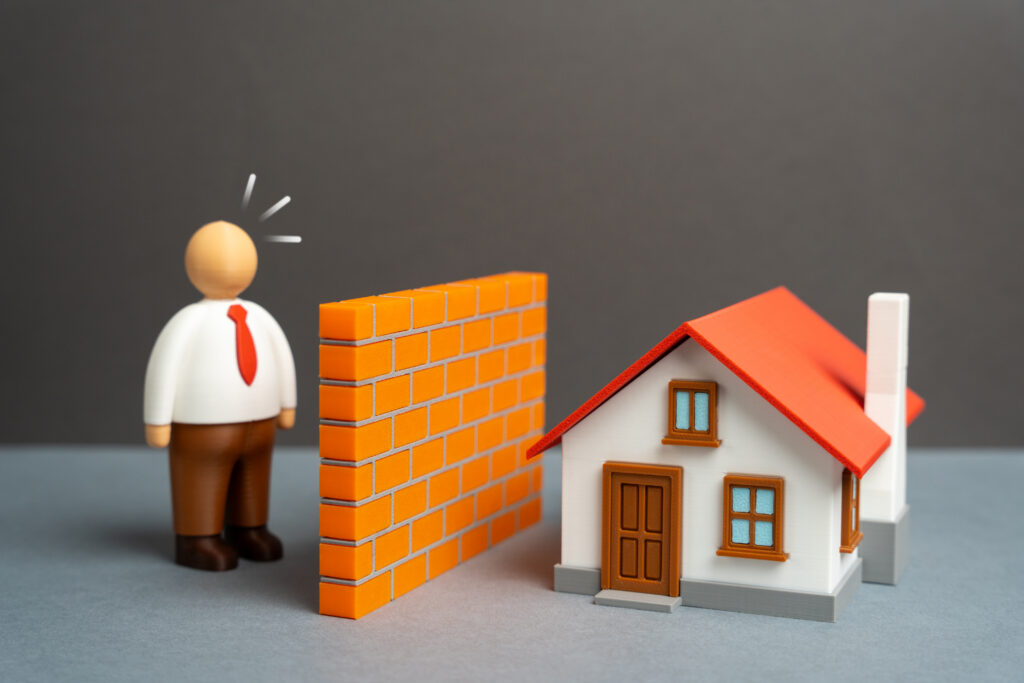
Boundary issues come in varying shades of seriousness, and it helps to know which you’re dealing with. At the milder end is a simple lack of clarity, where the deeds are vague and nobody’s actually arguing. In the middle sits an active disagreement about the line, access, or responsibility for a fence or hedge. At the serious end are formal disputes involving solicitors, or encroachments where a structure crosses the line. All of these can complicate a conventional sale, but none of them stops us making an offer. The more serious the dispute, the more it’s likely to affect the figure, but the sale itself remains possible.
Should You Try To Resolve It First?
As with many property problems, it comes down to time and appetite. Resolving a boundary dispute, through a surveyor’s determination, a boundary agreement with your neighbour, or in stubborn cases mediation, can clear the path for a full open-market sale at the best price. But it can also be slow, expensive, and emotionally draining, particularly if your neighbour is uncooperative. If you’d rather not spend months and legal fees untangling it, selling to a cash buyer who’ll take the dispute on is a legitimate and often sensible alternative. Neither choice is wrong; they simply suit different circumstances.
Keeping The Sale Clean
If you do sell with a dispute in place, a few things smooth the process. Gather every relevant document, the deeds, any correspondence with the neighbour, surveyor’s reports, and photographs, so the picture is clear from the outset. Be honest and complete in what you disclose. And choose a buyer experienced with these situations, so the sale is handled by someone who’s dealt with boundaries before rather than someone learning on the job. Done properly, a boundary dispute becomes a manageable detail rather than a dealbreaker.
What Happens To The Dispute After You Sell
A question sellers often ask is whether they’re simply passing a problem to someone else, or leaving themselves exposed. When we buy a property with a boundary dispute, the dispute comes with it, and dealing with the neighbour and the boundary becomes our responsibility as the new owner. Provided you’ve disclosed everything honestly, you’re not left carrying the issue after completion. That clean break is a large part of the appeal for sellers who’ve been living with a dispute for years and simply want it to stop being their problem. You walk away, and we take on whatever comes next.
A Realistic Word On Price
We’ll always be straight about the trade-off. A boundary dispute, especially a serious or unresolved one, does affect the offer, because it carries genuine cost and risk that we take on. A cash offer already sits below full market value, and a live dispute may nudge it a little lower still. But weigh that against the reality of the alternative: a property that may not sell at all through an agent until the dispute is resolved, after months of legal wrangling you’d rather avoid. Set against being stuck, a fair fixed offer that completes quickly is often the sensible choice.
FAQs
Can I sell my house if I have a boundary dispute?
Yes, you can sell a property with a boundary dispute, though it’s difficult on the open market. A cash buyer can take on the dispute and complete the sale.
Do I have to tell buyers about a boundary dispute?
Yes, you’re legally required to disclose disputes with neighbours on the Property Information Form, including boundary disagreements. Concealing one can lead to a misrepresentation claim after completion.
Why do boundary disputes stop normal sales?
They create uncertainty about what’s being bought, which makes lenders hesitant and buyers wary of inheriting a legal battle. Many mortgaged buyers withdraw rather than take on the risk.
Will a boundary dispute reduce my offer?
It can, depending on how serious the dispute is, since we account for the cost and risk of resolving it. But the sale itself remains possible regardless.
Should I resolve the dispute before selling?
If you have time and want the best open-market price, resolving it first can help. If you’d rather avoid a slow, costly process, selling to a cash buyer who takes it on is a reasonable alternative.
Can you buy a house where a structure crosses the boundary?
Yes, we buy properties with encroachments and more serious boundary issues. These situations affect the offer but don’t prevent us completing.