Can You Sell a House With Damp Problems to a Cash Buyer in the UK?
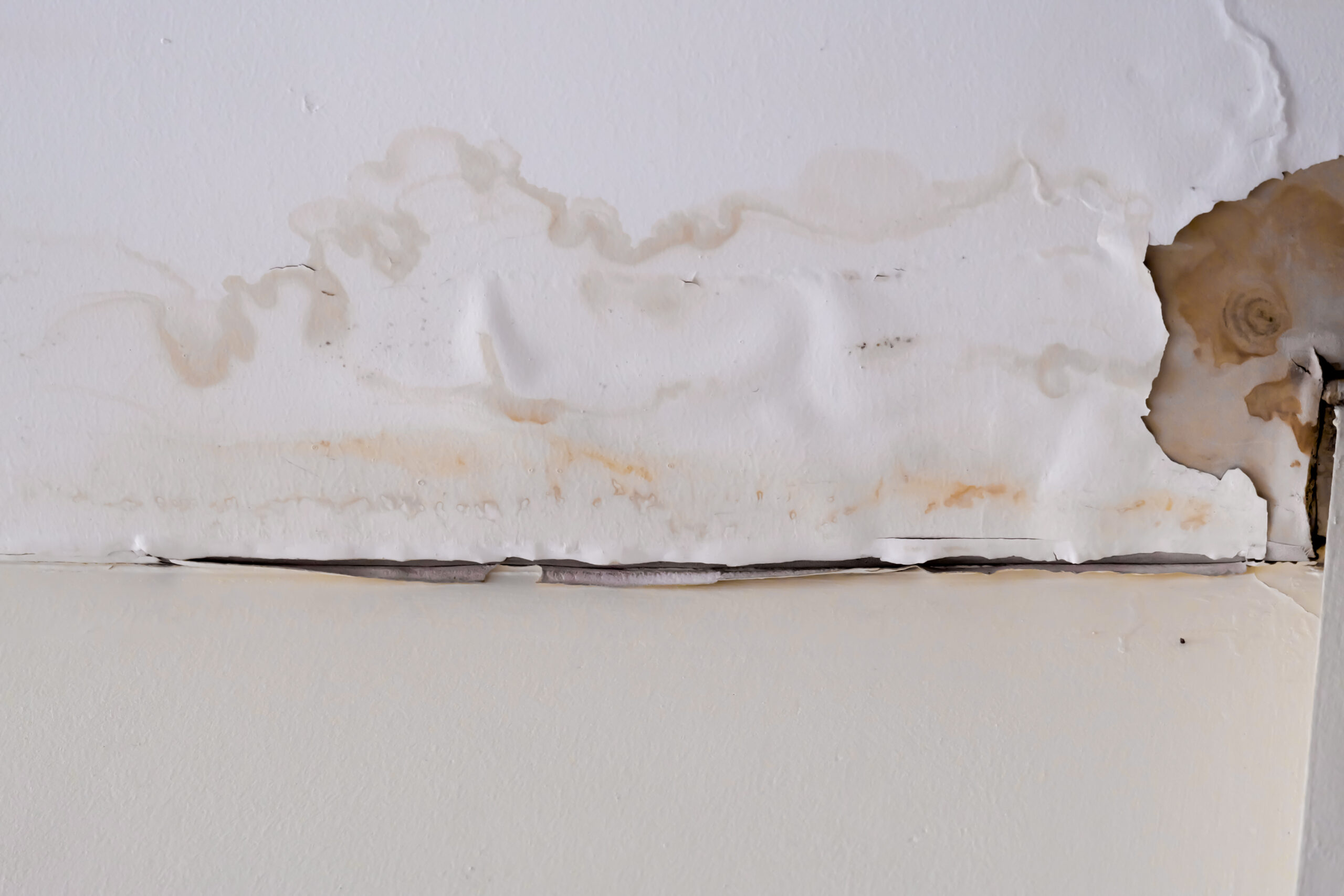
If you’ve spotted a tide mark creeping up a wall, black spotting around the windows, or that unmistakable musty smell in the back bedroom, your first worry is probably whether anyone will buy your property at all. Let’s put that fear to rest straight away: yes, you can absolutely sell a house with damp, and you can do it quickly. We buy damp-affected homes all the time, and a damp problem that would send a mortgage lender running is, for us, just another Tuesday.
Why Damp Frightens Off Ordinary Buyers
The reason damp feels like such a dealbreaker on the open market comes down to mortgages. When a private buyer applies for a loan, the lender sends a surveyor, and damp is one of the first things they flag. A serious reading can lead to a “retention,” where the lender holds back part of the loan until the problem is fixed, or an outright refusal. Suddenly the buyer who loved your house can’t borrow against it, and the sale collapses. This can happen again and again, which is why damp-affected homes so often sit on the market for months.
The Three Types Of Damp, And Why They Matter Less To Us
Not all damp is equal, and knowing which type you’re dealing with helps you understand your options. Condensation is the most common and usually the least serious, caused by moisture in the air meeting cold surfaces. Penetrating damp comes through walls or roofs, often from a defect like a cracked render or a failed gutter. Rising damp, the one everyone dreads, draws moisture up from the ground where a damp-proof course has failed. On the open market, each of these can spook a lender. To us, they’re all simply factored into the offer, because we’re buying with our own cash and don’t answer to a surveyor’s retention.
So How Does Selling Damp Property To Us Actually Work?
The process is refreshingly short. You tell us about the property, damp and all, and there’s genuinely no need to downplay it or rush out and paint over the marks. We’d rather know the full picture, because it means our offer is accurate and won’t wobble later. We make a preliminary cash offer, follow up with a valuation, and if you’re happy, we complete on a date that suits you, often within a week or so. As a company that will buy homes in any condition, we’ve seen far worse than a bit of damp, and we can show you proof of funds before you commit to anything.
Do You Need To Fix The Damp First?
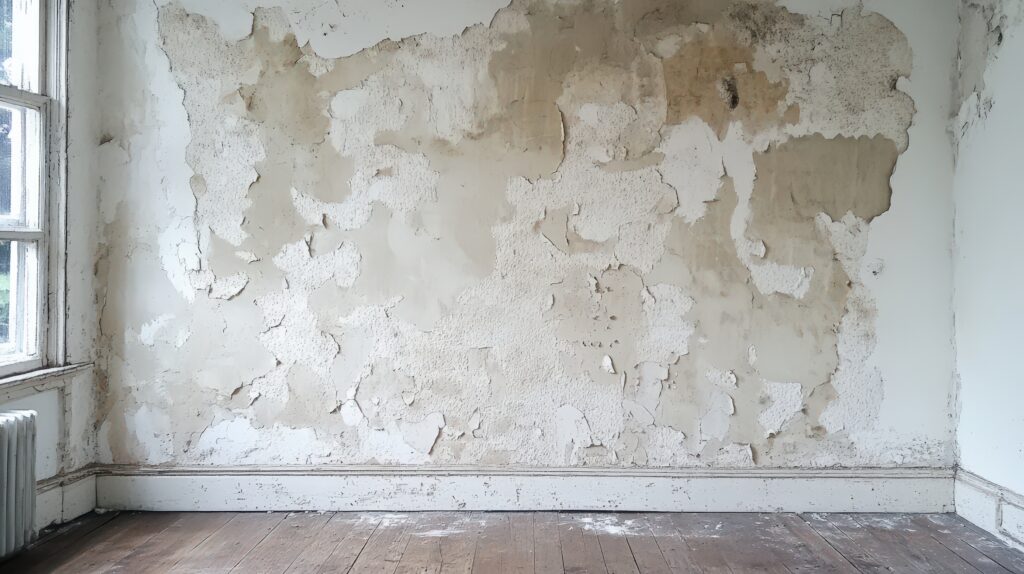
No, and we’d gently suggest you don’t bother. Damp treatment can run into thousands of pounds, specialist reports cost money, and there’s no guarantee the work adds as much to a sale price as it costs you, especially if you’re selling to a cash buyer who’s going to handle it anyway. Spending your own money to make a property presentable for us is the one thing we’d talk you out of. We build the cost of remedial work into our figure, so you’re not paying twice.
What About Disclosing The Damp?
Honesty protects you as much as it protects the buyer. When you sell any property in England or Wales, you complete a Property Information Form, and knowingly hiding a defect like damp can come back on you legally, even after completion. The good news is that with us, disclosure changes nothing about whether the sale goes ahead. We’re not looking for a reason to renegotiate; we simply want the accurate picture so the offer we make is the offer you receive. That transparency runs both ways.
When Damp Is A Symptom Of Something Bigger
Occasionally, damp is the visible sign of a more serious structural issue, a failing roof, subsidence, or rot in the timbers. If that’s your situation, the open market becomes even harder, because these are exactly the problems that make a property “unmortgageable.” This is precisely where a cash sale earns its keep. We buy properties with structural problems as readily as cosmetic ones, and because we’re not relying on a lender, the severity of the issue doesn’t stop us completing.
The Real Cost Of Leaving It On The Market
It’s easy to focus on the offer figure and forget what a stalled sale costs while you wait. Every month a damp-affected home sits unsold is another month of mortgage payments, council tax, insurance, and heating an empty or half-lived-in property, and damp tends to worsen in a home that isn’t warm and ventilated. Then there’s the emotional cost of viewings that lead nowhere and mortgage valuations that come back with retentions. We’ve spoken to sellers who spent the better part of a year chasing a private buyer, watched three sales fall through on survey, and ended up accepting a reduced price anyway. A quick cash sale isn’t just faster on paper; it stops that meter running.
Weighing Up Your Options
We’ll always be straight with you: a cash offer sits below full market value, and damp doesn’t change that basic trade. What it changes is the comparison. A damp-affected home on the open market might take many months to sell, if it sells at all, likely after price reductions and failed mortgage applications. Weighed against that, a guaranteed sale at a fair, fixed figure, completed in days with the damp entirely our problem, is often the better deal in real terms, not just the faster one.
FAQs
Can I sell a house with rising damp?
Yes, we buy houses with rising damp, penetrating damp, and condensation alike. Because we purchase with our own cash rather than a mortgage, a damp reading that would stop a normal sale doesn’t stop us.
Will damp lower the offer I receive?
It’s factored into the figure, since we account for the cost of putting it right. But the offer we make is the offer you receive, with no further reduction once we’ve seen the property.
Do I have to treat the damp before selling to you?
No, and we’d usually advise against spending money on it. We handle the remedial work ourselves and build it into our offer, so there’s no point paying for it twice.
Do I need to declare damp when I sell?
Yes, you should disclose known damp on the Property Information Form, as hiding it can create legal problems later. Disclosing it to us doesn’t jeopardise the sale in any way.
How quickly can you buy a damp-affected property?
We can often complete within a week or two, on a date you choose. The damp itself doesn’t slow anything down at our end.
What if the damp has caused structural damage?
We buy properties with structural issues as well as damp, so that’s no barrier. These are exactly the homes that struggle on the open market and where a cash sale makes the most sense.