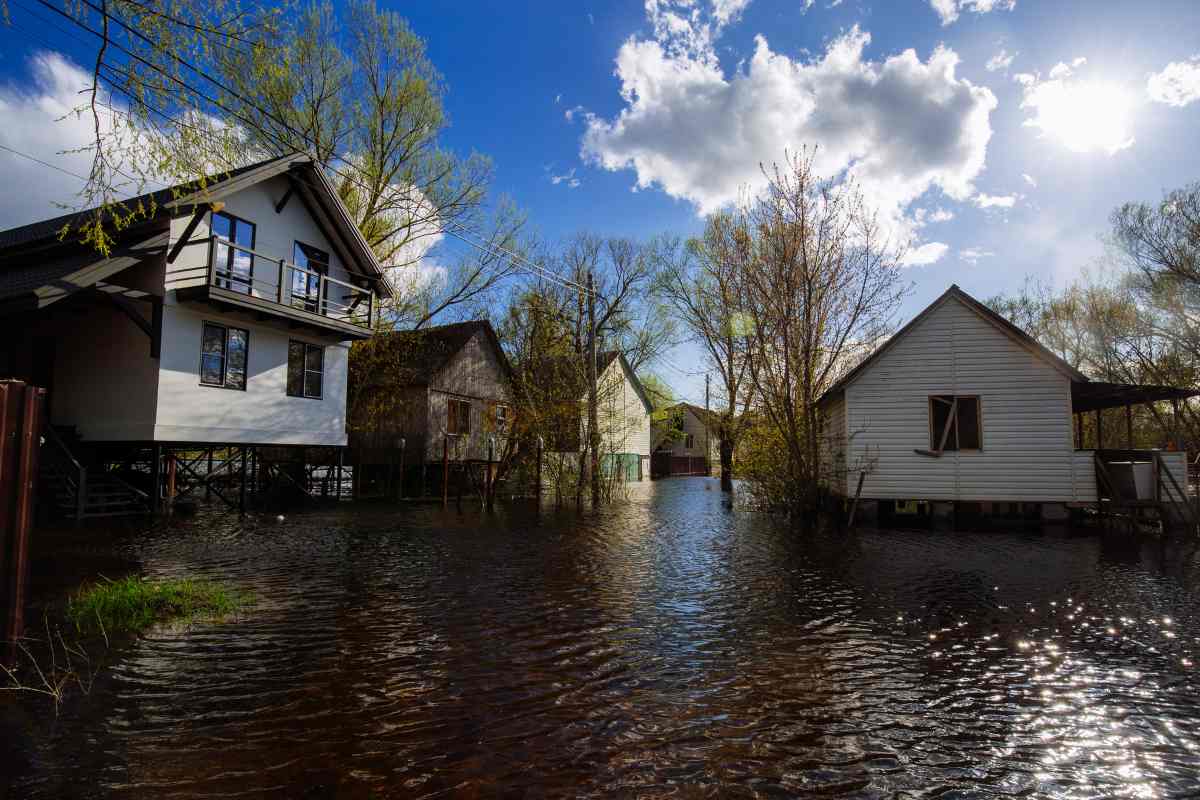
Do Cash Buyers Purchase Properties With Flood Risk in the UK?
The short answer is yes – cash buyers do purchase properties with flood risk, and for many sellers in flood zones they’re the most realistic route to a completed sale. Mortgage lenders and their surveyors treat flood risk cautiously, insurance can be expensive or hard to arrange, and buyers who read the environmental search often walk away. None of those obstacles apply in the same way when the buyer is paying from their own funds. At Sell House Fast, we buy flood-affected homes regularly, and in this guide we’ll explain how flood risk shows up during a sale, why it derails traditional buyers, and what to expect from a cash offer.
Where Flood Risk Appears In The Selling Process
Flood risk surfaces at three points during a sale, and it helps to know where a buyer will find it.
- First, the environmental search. Your buyer’s solicitor will order a search that pulls in Environment Agency data on river, coastal, surface water and groundwater flood risk. If your property sits in a medium or high risk zone, the search will say so, and it’ll usually flag insurance implications too.
- Second, the property information form. This asks directly whether the property has flooded and, if so, when and from what source. You’re required to answer truthfully, and a false answer can lead to a misrepresentation claim later.
- Third, the survey. A surveyor will note evidence of past flooding, such as tide marks, replaced plaster at low level, or air bricks that have been sealed. They’ll also comment on the flood risk data and often recommend further enquiries.
A buyer’s mortgage lender sees all of this, and that’s where most flood-related sales run into trouble.
Why Lenders Pull Back On Flood Risk
Lenders want to know the property can be insured for buildings cover, because insurance is a condition of any mortgage. In the highest risk areas, mainstream insurers may refuse cover or price it so high that the buyer can’t afford it. The Flood Re scheme exists to keep insurance available for high-risk homes, but it doesn’t cover everything. Properties built after 1st January 2009 are excluded, as are buy-to-let properties and most commercial premises, and the scheme itself is due to wind down in 2039.
Even where cover is available, some lenders apply extra conditions, reduce the amount they’ll lend, or decline the application entirely after reading the surveyor’s comments. If the buyer’s mortgage falls through late in the process, you’re back to square one with weeks lost and legal fees spent.
What Makes A Cash Buyer Different Here
With no lender involved, there’s nobody applying blanket policies to your postcode. A cash buyer assesses the property on its own merits, including the flood risk, and prices accordingly. Insurance is still a consideration for the buyer, but it’s their decision to make, and a company that specialises in buying difficult properties will already know how to handle it.
If you’re trying to sell a house in any condition, including one that’s flooded before or sits in a high-risk zone, we’ll base our offer on the property as it stands. That means factoring in the risk profile and any remedial work, but it also means we won’t withdraw because a search result came back in an unfavourable colour.
How Flood Risk Affects The Offer
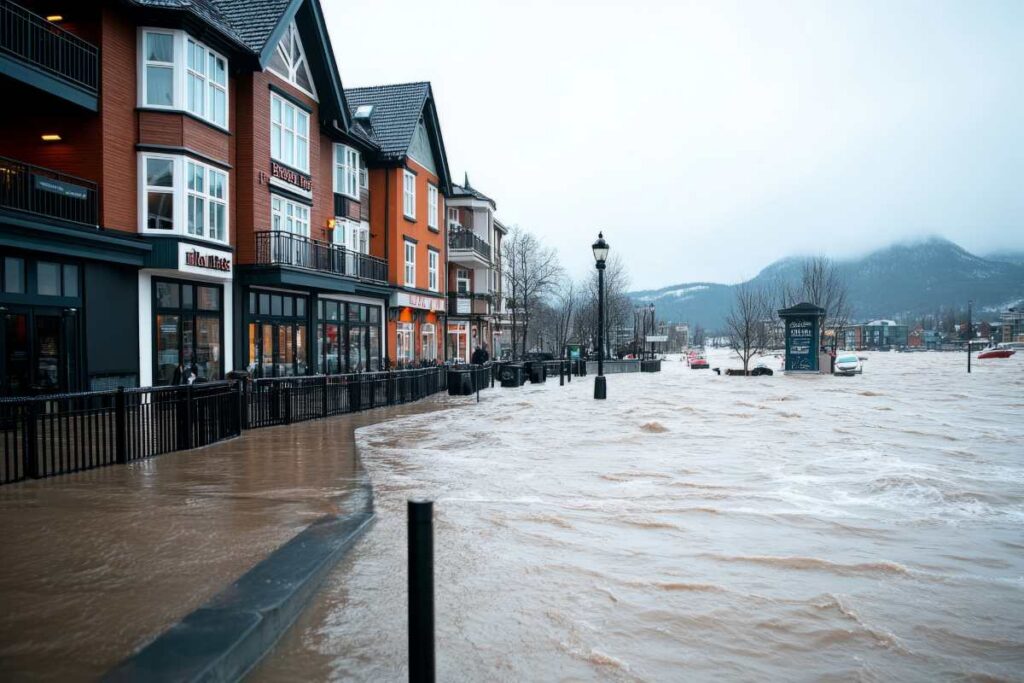
We’re not going to pretend flood risk has no effect on price. It does, on the open market and in a cash sale alike. The difference is how the discount is arrived at and how much certainty comes with it. Factors that influence a cash offer on a flood-risk property include:
- Whether the property has actually flooded, how many times, and how recently
- The source of the risk, since surface water risk is often easier to mitigate than river or coastal risk
- What flood defences or property-level protection is in place
- Whether buildings insurance is currently in place and what it costs
- The condition of the property and any residual damage from past events
A home in a medium-risk zone that’s never flooded will attract a very different offer from one that’s been underwater twice in five years. Being upfront about the history lets us give you an accurate figure early on, which saves everyone time.
Preparing A Flood-Risk Property For Sale
There are a few things you can do before you approach any buyer that’ll make the process smoother and may improve the offer.
Gather your evidence. Keep copies of insurance policies, claim records, flood reports from the local authority, and receipts for any repairs or resilience measures. A buyer who can see a well-documented history is far more comfortable than one who’s guessing.
Note any protection you’ve installed. Flood doors, non-return valves, raised electrics, and airbrick covers all count, and they show the property has been managed sensibly.
Check the Environment Agency’s long-term flood risk service for your address. Knowing what the buyer will see lets you address it before it becomes a negotiation point.
What The Timeline Looks Like
A cash sale of a flood-risk property follows the same broad path as any other cash purchase. You’ll receive an offer, we’ll arrange a survey and any specific enquiries about flood history, your solicitor and ours handle the legal work, and completion happens on a date that suits you. The environmental search still gets ordered, because our solicitor needs it, but the result informs the offer we’ve already made and doesn’t trigger a lender’s veto.
FAQs
Will a cash buyer buy a house that’s flooded before?
Yes. Past flooding affects the offer, but it doesn’t rule out a sale. We’ll want to understand when it happened, what caused it, and what’s been done since.
Do I have to tell a buyer my house is in a flood zone?
You must answer the property information form honestly, and the buyer’s environmental search will reveal the flood zone regardless. Hiding a history of flooding can lead to a misrepresentation claim after the sale.
Can I get a mortgage buyer for a high-risk flood property?
Sometimes, but it’s unpredictable. Lenders depend on insurance being available and affordable, and their surveyors may recommend against lending. Sales to mortgage buyers in high-risk zones fall through more often than average.
Does Flood Re help me sell my house?
Flood Re makes insurance more affordable for eligible high-risk homes, which helps a buyer arrange cover. It doesn’t apply to homes built after 2009 or to buy-to-let properties, and it’s scheduled to end in 2039.
How much lower will a cash offer be because of flood risk?
There’s no fixed percentage. The offer reflects the specific risk, the flood history, the protection in place and the property’s condition. Providing full information upfront helps us give you an accurate figure from the outset.
Should I install flood protection before selling?
If you already have measures in place, make sure the buyer knows. Installing new measures purely to sell rarely recovers its cost in a cash sale, but it can make a difference on the open market where insurance is a sticking point.