How Much Does It Cost to Move House in the UK in 2026?
Moving house can cost considerably more than you expect, particularly if you’re selling one property and buying another at the same time. There’s the estate-agent commission, solicitor’s bill, removals and potentially thousands in property tax, all before you’ve paid for the things you’ll need in your new home.
According to research published by Which? using Reallymoving data, the average cost of selling and buying a home in England in 2026 is approximately £17,413, although your own bill could be much lower or higher. The figure includes costs such as stamp duty, so a first-time buyer or somebody selling without purchasing another property will have a very different budget.
What Does £17,413 Actually Include?
The Which? research breaks down the average costs of selling and buying a home in England using median 2026 purchase prices. Stamp duty and estate-agent commission account for most of the total, which explains why the cost of moving can change so dramatically depending on where you live and how expensive your home is.
Here’s the breakdown:
| Moving Expense | Average Cost |
| Stamp Duty Land Tax | £9,500 |
| Estate-agent fees | £4,473 |
| Conveyancing | £2,241 |
| Property survey | £510 |
| Removals | £624 |
| Energy Performance Certificate | £65 |
| Total | £17,413 |
These are research averages rather than fixed charges, and the stamp-duty figure reflects a particular property-price mix. You’ll need to use your own purchase price, mortgage arrangements and location to calculate a realistic budget, particularly if you’re moving between different parts of the UK.
Estate-Agent Fees Could Be One of Your Biggest Expenses
If you’re selling through an estate agent, you’ll normally pay a percentage of the final selling price, although some agents charge fixed fees. HomeOwners Alliance puts the average sole-agency fee at around 1.42% including VAT, which would be £4,260 on a £300,000 sale.
You can negotiate the commission before signing an agreement, and we’d recommend checking whether the quote includes VAT, professional photography and any marketing charges. Some contracts also contain minimum periods or withdrawal provisions, so make sure you understand exactly when the fee becomes payable.
If you’re selling a more expensive property, even a small difference in commission percentage could amount to hundreds or thousands of pounds. It’s worth comparing what each agent actually provides rather than choosing the cheapest quote without checking their record of selling similar properties.
Solicitors, Surveys and Mortgage Fees
You’ll need a conveyancer to deal with the legal work involved in buying or selling, and the fee will vary depending on the property and complexity of the transaction. Leasehold flats can cost more because the solicitor may need to review management information, ground rent and service-charge arrangements.
If you’re buying, you may also pay for searches, a survey, a mortgage valuation or a lender’s arrangement fee. Not every lender charges the same fees, and some arrangement costs can be added to the mortgage, although doing that means you’ll pay interest on them.
We’d suggest getting an itemised conveyancing quote rather than comparing only the headline legal fee. A quote that initially looks cheap can become less attractive once you add bank-transfer charges, searches, Land Registry fees and leasehold supplements.
How Much Stamp Duty Will You Pay?
Stamp Duty Land Tax applies to property purchases in England and Northern Ireland, with different tax systems operating in Wales and Scotland. In England and Northern Ireland, the standard residential rates from April 2025 begin with no tax on the first £125,000, followed by 2% on the portion between £125,001 and £250,000 and 5% on the portion between £250,001 and £925,000.
If you’re buying a £300,000 home at the standard rates, your SDLT bill would be £5,000. An eligible first-time buyer purchasing at that price would generally pay no SDLT because first-time buyer relief applies up to £300,000 on qualifying purchases of £500,000 or less.
Additional-property purchases can attract higher rates, and non-UK resident surcharges may also apply. If you’re moving abroad or retaining your current home while buying another, we’d recommend checking the tax position carefully before making assumptions about what you’ll owe.
Removals and the Costs That Don’t Appear in Quotes
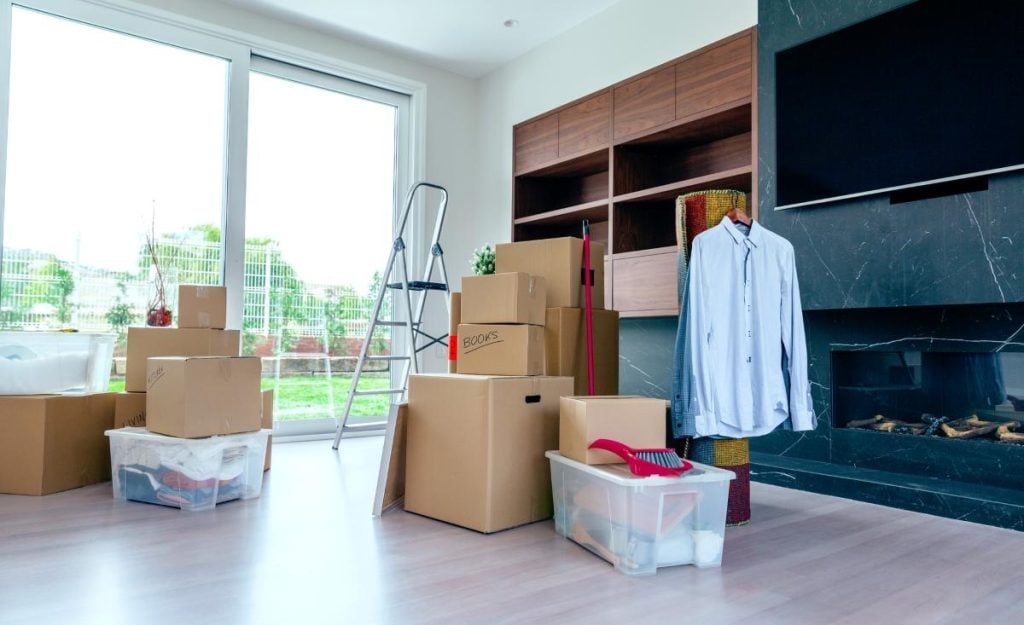
According to the Which? 2026 figures, the average cost of moving belongings over a 30-mile distance in England was £624, although the actual price depends heavily on the size of your home and how much you’re moving. A small local move with a hired van could cost far less, while a large house move involving professional packing, storage or a long journey could cost considerably more.
You’ll also need to allow for the less obvious expenses, such as redirecting your post, cleaning, arranging broadband, paying utility balances and buying things that don’t fit your new property. If you’re relocating for work, temporary accommodation or overlapping rent and mortgage payments might be a bigger concern than the removal van.
One expense we’d keep separate is your mortgage deposit. That’s money you’re putting into the value of the property you’re purchasing rather than a fee you’re paying to move, although you’ll obviously need access to it at the right point in the transaction.
Is Moving House More Expensive in London?
Usually, yes. The same Which? research puts average moving costs in London at just over £32,000 in 2026, with higher property prices contributing heavily to the amount paid in stamp duty and estate-agent commission.
Of course, someone moving out of a relatively inexpensive London flat won’t necessarily pay anything close to that figure. The average covers a particular mix of transactions, and the costs of moving from a flat in Croydon will look quite different from buying and selling family houses in Richmond.
If you’re leaving London for a less expensive area, it’s worth calculating the SDLT on the new purchase separately rather than assuming that a lower property price means the whole move will be cheap. Mortgage redemption charges and the cost of coordinating two transactions can still make a noticeable difference.
Could Selling Directly Reduce Your Moving Costs?
You can avoid estate-agent commission by selling directly to a private buyer or cash purchasing company, although you’ll still need appropriate conveyancing. A direct cash buyer may also remove some uncertainty around the timing of your move, since their purchase doesn’t depend on another property selling or a mortgage being approved.
If your home needs repairs and you’d rather move without funding them first, you could consider buyers who purchase homes as they stand, like us at Sell House Fast. We buy directly using our own funds and provide free, no-obligation valuations, so you can find out what we’d offer before committing to an estate-agent campaign.
A cash offer will usually be lower than the price you could achieve through a successful open-market sale, which is important when you’re calculating the true cost of moving. Saving an estate-agent fee doesn’t necessarily compensate for accepting a substantially lower purchase price, so we’d suggest comparing the net proceeds of both routes.
FAQs
How much does moving house cost in the UK in 2026?
Costs vary by country and transaction type. Research published by Which? puts the average cost of selling and buying in England at £17,413 in 2026, including stamp duty and estate-agent commission.
Do first-time buyers pay the same moving costs?
Generally, no. First-time buyers don’t pay estate-agent commission on a sale, and qualifying buyers may benefit from property tax reliefs, although they still need to budget for surveys, conveyancing and removals.
Do sellers pay stamp duty?
Stamp duty is generally paid by the buyer rather than the seller. If you’re selling one home and purchasing another, you may pay the relevant property tax on your new purchase.
Can I move house without paying estate-agent fees?
Yes. You can arrange a private sale or sell directly to a cash buying company without instructing an estate agent, but there may still be conveyancing and other transaction costs.
Is a house move cheaper if you don’t buy another property?
Usually, because you won’t incur purchase-related expenses such as stamp duty on a replacement home. You’ll still need to account for selling costs, mortgage redemption and moving your belongings.