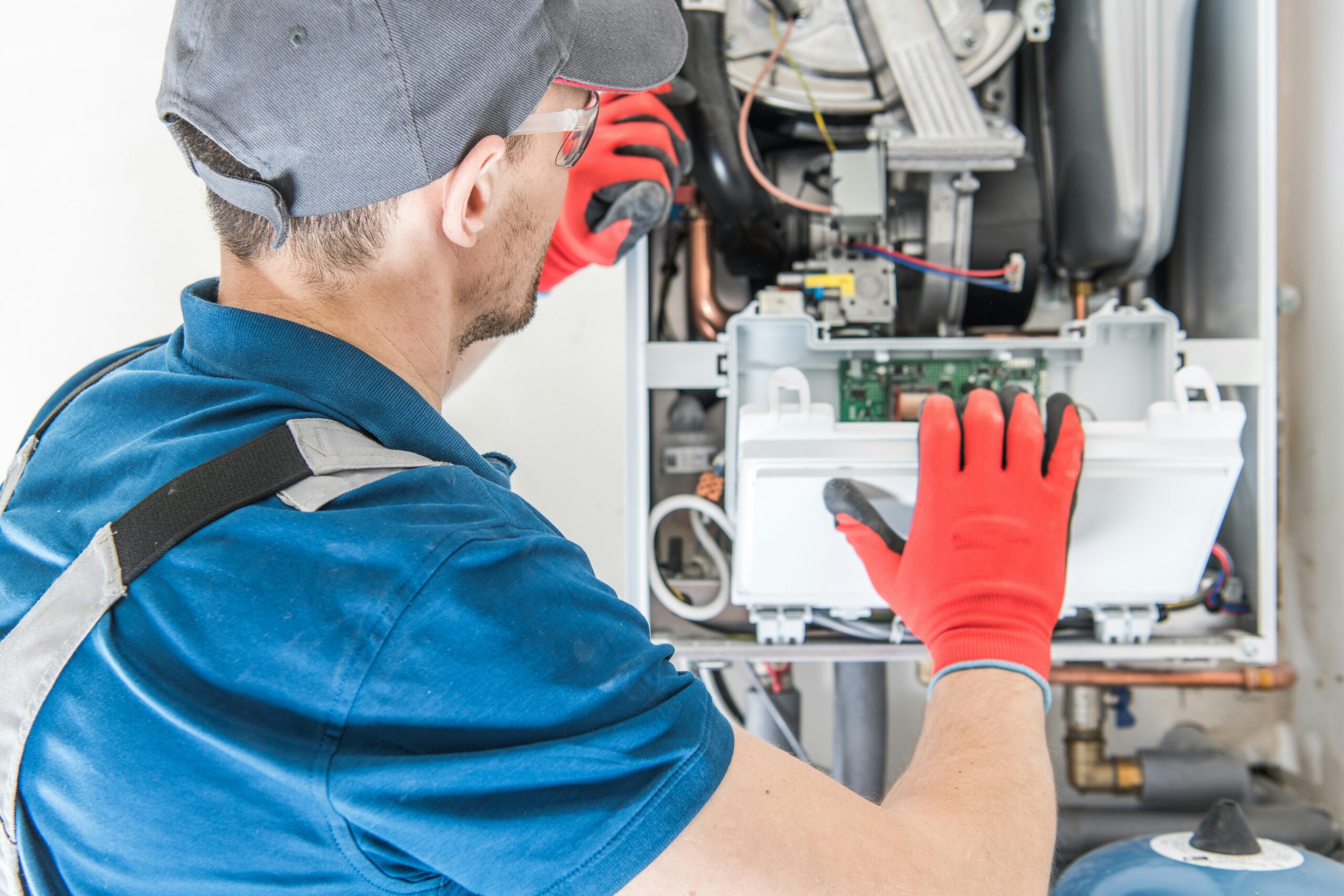
Do Homeowners Need a Gas Safety Certificate?
When you own your home, you’ve got enough on your plate without wondering about extra certificates and inspections. But if you’re getting ready to sell your home and you’ve got gas appliances, you might be asking: do homeowners actually need a gas safety certificate? And if so, how do you get one?
In this guide, we’ll explain when you need a gas safety certificate, how it differs for landlords and homeowners and what happens when you sell your home.
What is a gas safety certificate?
A gas safety certificate (sometimes called a CP12) is a formal document issued by a Gas Safe registered engineer after they’ve inspected and tested your gas appliances. It confirms that everything’s safe, working properly and up to standard.
You’ll find these certificates more commonly discussed in rental properties, but they can come into play in all sorts of scenarios, especially if you’re selling up.
Do you need one as a homeowner?
Here’s the simple answer: no, homeowners don’t legally need a gas safety certificate. It’s not a requirement for living in your own home, and, unlike landlords, you won’t be fined for not having one. However, getting your gas appliances checked regularly is still a very good idea.
It’s like an MOT: catching problems before they become dangerous. Gas leaks, carbon monoxide and faulty boilers aren’t things you want to mess around with. As the Health and Safety Executive points out, faulty gas appliances can lead to fires, explosions and carbon monoxide poisoning.
What about when you’re selling your house?
While there’s still no legal obligation, many buyers will ask for evidence that your boiler and other gas appliances are in good working order. It can give them peace of mind, and help you avoid delays.
A recent gas safety certificate can act as that proof. It shows you’ve kept the property in good condition and can prevent potential buyers from pulling out over safety concerns.
If your gas boiler’s under warranty or was installed recently, you might already have the paperwork to hand. If not, getting an inspection done is quick and relatively inexpensive.
Is a homeowner gas safety certificate different to a landlord’s one?
The certificate itself is the same, but the rules around it are different:
- Landlords are legally required to get a landlord gas safety certificate every 12 months. That covers boilers, gas cookers, pipework and flues.
- Homeowners aren’t legally required, but can still request a gas safety check and receive a certificate.
So if you’re living in your home, it’s optional. But if you’re renting it out, even to family or friends, it’s a legal must.
How do I get a gas safety certificate?
To get a homeowner gas safety certificate, just book an inspection with a Gas Safe registered engineer. You can find one via the official Gas Safe Register.
They’ll check your gas appliances, make sure everything’s installed properly, test for leaks and confirm that flues and ventilation are safe. If it all checks out, you’ll get your certificate.
Prices vary, but most inspections cost between £60 and £90 depending on your location and how many appliances you’ve got.
What’s included in the inspection?
A standard gas safety check will include:
- Checking the boiler, gas hob and/or gas fire
- Testing for gas leaks
- Inspecting flues and chimneys
- Ensuring ventilation is suitable
- Making sure everything’s burning gas properly
You’ll get a certificate with a summary of findings and confirmation that everything’s safe. If there are issues, the engineer will let you know what needs fixing.
Do you need one if you’re buying a house?
Again, it’s not legally required, but it’s wise. If the seller can’t provide an up-to-date certificate, you can always arrange one after you move in, or request it as part of the buying process.
Some mortgage lenders and solicitors may flag it, especially if the boiler looks old or hasn’t been serviced recently. A certificate can remove doubt and avoid unnecessary delays.
Is it the same as a boiler service?
Not quite. A boiler service is more in-depth, focusing specifically on your boiler’s health and performance. A gas safety certificate covers all gas appliances and checks overall safety.
Ideally, you want both. Some engineers offer packages that include both services in one visit. It’s worth asking about when you book.
What if something fails the check?
If a gas appliance is found to be unsafe, the engineer may shut it off and label it as dangerous. You’ll need to get it repaired or replaced before it can be used again.
In most cases, issues can be sorted quickly, but you’ll need to act fast. It’s better to catch a fault during a voluntary inspection than face a hazard later on.
Can a gas safety certificate speed up a house sale?
Absolutely. Buyers want confidence. A recent certificate:
- Shows you’ve maintained your property well
- Removes potential sticking points during surveys
- Helps you respond quickly to solicitor or buyer queries
And if you’re a landlord, you must provide a valid landlord gas safety certificate at the time of sale. Not having one can delay proceedings or affect your buyer’s willingness to proceed, particularly if you’re selling a tenanted property.
Ready to sell? Do it safely, quickly and simply
If you’re selling your home, knowing where you stand with things like a gas safety certificate can make the whole process feel less overwhelming. The truth is, you don’t have to get one as a homeowner, but doing so can help you avoid last-minute hiccups and keep potential buyers reassured. It’s a small step that can go a long way towards a smooth sale.
And if you’d rather skip the stress and uncertainty altogether, that’s where we come in. At Sell House Fast, we buy homes across the UK for cash. That means no estate agents, no delays and no fees. Instead, you get a straight-talking, personalised service that gets the job done fast.
We offer:
- A personal, human service (no call centres, we’re an experienced team who wants to help you)
- A simple, transparent process with no hidden costs
- Fast completions, often in a matter of days or to suit your timeline
- UK-wide coverage. We buy any house, bungalow or flat.
- Expertise in buying homes with legal or structural complications
Want to see what we’d offer for your home? Just enter your postcode to get your free cash offer now.