A Homeowner’s Guide to Selling a Fire-Damaged Property for Cash in the UK in 2026
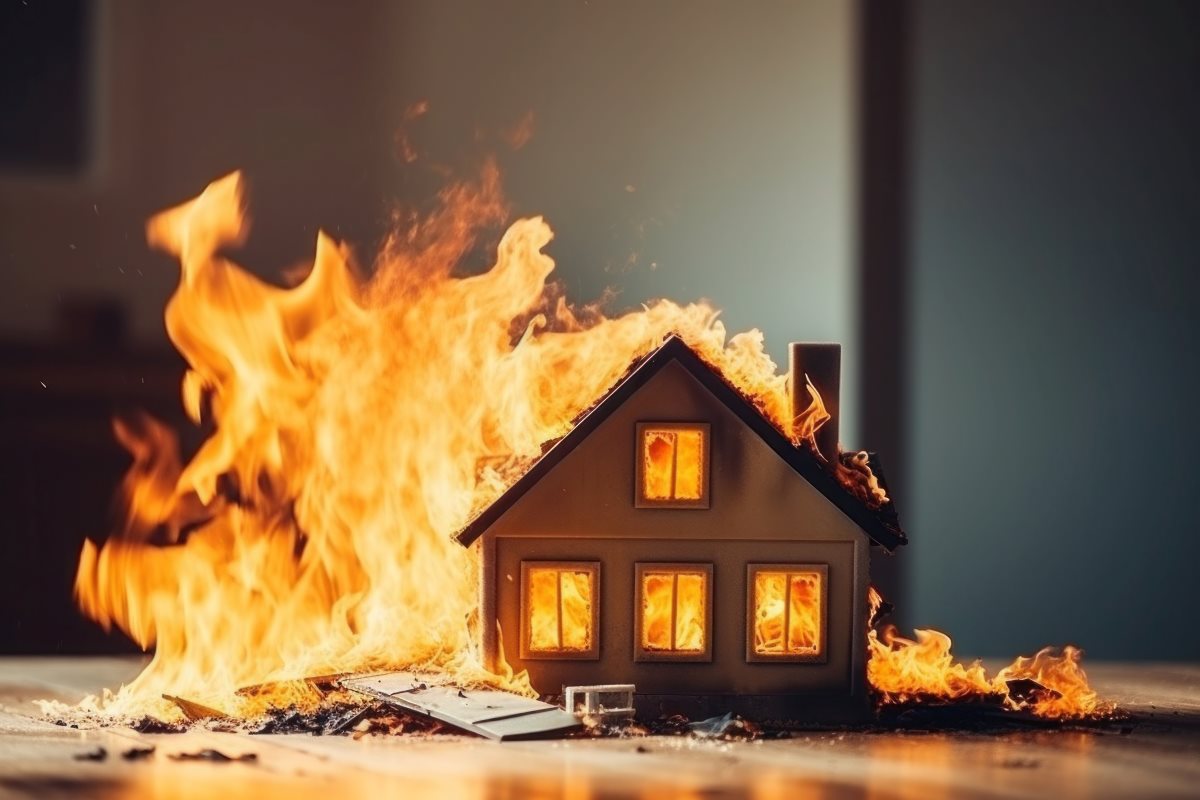
Fire-damaged houses sell, in whatever state the fire left them. There’s a functioning market of cash buyers who purchase properties with smoke damage, structural damage, and everything in between, and for most owners the real decision is whether to restore the house first or sell it as it stands.
This guide works through that decision, the insurance questions that sit underneath it, and how the cash sale process handles a property in this condition.
Why Fire Damage Closes the Open Market
Mortgage lenders won’t lend on a property that’s uninhabitable, and a surveyor will class most fire-damaged homes exactly that way until repairs are certified complete. That removes almost every ordinary buyer at a stroke, since the open market runs on mortgages.
What remains is a small pool of renovators and investors, and marketing to them through an estate agent is slow: months of viewings from bargain-hunters, offers that arrive low and fall lower after their builder’s visit, and fees on whatever finally completes. Meanwhile the property still generates council tax, insurance at distressed-property rates, and security worries, because empty fire-damaged homes attract further trouble.
The Restore-First Route
Restoring before selling recovers the most value on paper. In practice, weigh four things:
- The insurance position. If the claim covers reinstatement, restoration may cost you little beyond time and project management. If you were underinsured, or the claim is disputed, the shortfall comes from you.
- Timescale. Serious fire damage means many months of works, plus certification, before marketing can even begin.
- Stigma discount. Even fully restored, a house with fire history must be disclosed to buyers, and some will discount or walk regardless of the quality of the works.
- Your capacity. Managing a major reinstatement is a demanding project at the best of times, and few owners come to it at the best of times.
Restoration suits owners with a straightforward insurance claim, somewhere to live in the meantime, and the appetite for the project. Plenty of people have none of the three.
Selling As It Stands

The alternative is a direct sale to a cash buyer that buys fire-damaged properties, with the damage priced in. Sell House Fast buys property in any condition, including fire-damaged homes, and where a property falls outside what it can buy, it refers the seller on rather than leaving them stuck. There are no seller fees, the preliminary offer arrives immediately, and completion typically takes around a week. For an owner paying costs on an uninhabitable house, that week matters.
The offer will reflect the damage, which is the honest core of this route: you’re selling the property’s current state, not its restored potential. Genuine cash offers on sound properties reach around 85% of market value, and fire damage reduces the base figure the percentage applies to. What you’re buying with that discount is release from the restoration project, the carrying costs, and the stigma-discounted resale at the end of it.
Settle the Insurance Question First
Whichever route you lean toward, resolve the insurance claim’s status before selling, and take advice on it. Two points matter most.
You can generally sell before a claim concludes, but the buyer, the insurer and the paperwork need to align on what happens to the claim, since a claim can sometimes be assigned to the buyer and sometimes settled with you directly. Second, don’t let a sale prejudice the claim: notify your insurer of your intentions, because policies contain conditions about the property that continue until settlement.
A solicitor who has handled fire-damaged sales will manage both points. It’s one of the few situations where the conveyancing genuinely benefits from specific experience.
FAQs
Can I sell a fire-damaged house without telling the buyer about the fire?
No. Fire damage and its history must be disclosed during conveyancing, and concealing it creates misrepresentation liability that survives completion. Cash buyers purchase these properties routinely, so disclosure costs you far less than it feels like it will.
Will the insurance payout be affected if I sell?
It can be, which is why the claim’s status should be settled or clearly documented before completion. Some sales proceed with the claim assigned to the buyer, others with the seller retaining it. Take advice before agreeing either.
How much less will I get for a fire-damaged house?
It depends entirely on the damage. Smoke and cosmetic damage might reduce an offer modestly, while structural damage is priced against major reinstatement costs. A free valuation puts a real figure on it, which beats estimating from fear.
Is it better to repair smoke damage before selling?
Light smoke damage is one of the few cases where modest works can pay for themselves, since cleaning and redecoration are cheap relative to the value they restore. Anything beyond cosmetic level rarely returns its cost in a pre-sale rush.