How to Fix Subsidence: Subsidence Costs & Treatment Options
Few things worry homeowners more than discovering subsidence. The word alone can make buyers nervous and sellers anxious, especially if you’re trying to secure a quick home sale.
But here’s the good news: subsidence does not automatically mean your home is unsafe, unsellable, or beyond repair.
In this guide, we explain:
- What subsidence is
- What causes subsidence in houses
- How to check for subsidence
- How to fix subsidence
- How much subsidence costs to fix
- How much subsidence devalues a property
And if repairs aren’t the right option for you, we’ll also explain how you can still sell your house fast.
What is subsidence?
Put simply:
Subsidence is when the ground beneath a property sinks, causing the foundations to move.
When the soil under your home shifts or shrinks, the foundations lose support. This can lead to structural movement, cracks, and other visible warning signs.
Subsidence typically happens gradually but if left untreated, it can worsen over time.
What causes subsidence in houses?
Subsidence usually occurs when the soil beneath a property loses moisture and shrinks.
The most common causes include:
1. Soil shrinkage
Clay soils are particularly prone to shrinking during long dry spells. When clay soil dries out, it contracts, pulling foundations downwards and causing movement.
2. Trees and large shrubs
Tree roots absorb large amounts of moisture from the soil. According to consumer research, tree root activity accounts for the majority of subsidence cases in the UK.
If large trees are planted close to your home, their roots can dry out the surrounding soil — especially in hot summers.
3. Leaking drains and pipes
Damaged drains can wash soil away from beneath foundations, weakening ground stability. Sandy or gravel-heavy soils are especially vulnerable.
4. Mining activity
Historic mining in some areas can cause ground instability years later.
5. Ground vibrations
Heavy traffic or nearby construction can occasionally contribute to soil movement.
How to check for subsidence in a property
Early detection is key. The sooner subsidence is diagnosed, the easier it is to manage.
Common signs of subsidence
- Diagonal cracks in walls (often wider at the top)
- Cracks around doors and windows
- Expanding existing cracks
- Wallpaper rippling (not caused by damp)
- Doors and windows sticking
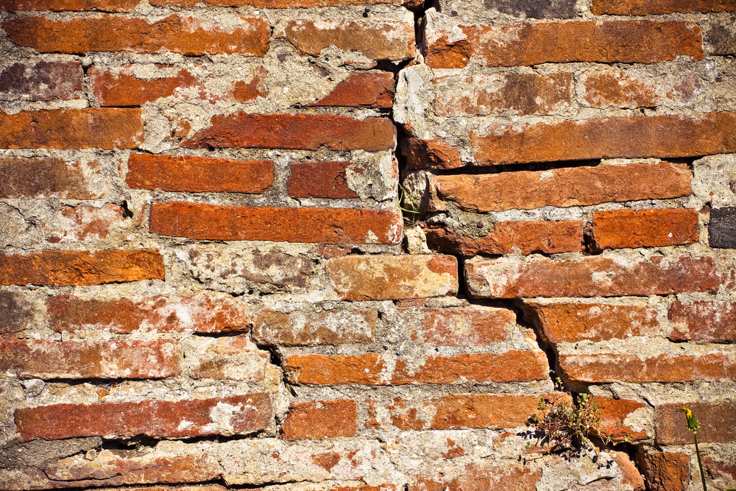
- Visible cracks in exterior brickwork
Subsidence cracks are typically wider than 3mm and often appear suddenly after dry weather.
If you notice any of these signs, consult a Chartered Surveyor or structural engineer. In many cases, properties are monitored for up to 12 months to assess movement before major work begins.
How to fix subsidence
How you fix subsidence depends entirely on the cause and severity. Fortunately, underpinning is rarely required.
Here are the main treatment options:
1. Repairing drains and pipework
If leaking drains are the issue, a CCTV drain survey can identify the source of the problem.
- Average drain survey cost: £45–£160
- Typical average: Around £90
Once repaired, soil stability often improves naturally.
2. Tree management or removal
If trees are causing soil shrinkage, controlled pruning or removal may solve the problem.
- Tree surgeon costs: Around £120 per hour
- Large tree removal: Approximately £3,000 + VAT
However, removing trees can occasionally cause heave. This is when soil swells after moisture returns. Always seek advice from an arboriculturist before removing large trees.
3. Underpinning
Underpinning strengthens and stabilises foundations by extending them deeper into stable ground.
It is the most well-known subsidence repair, but it’s only needed in a small percentage of cases.
- Cost to fix subsidence with underpinning: £5,000 to £50,000
- Cost depends on property size and damage severity
Because underpinning is expensive and disruptive, experts recommend exhausting all other solutions first.
How much does it cost to fix subsidence
The cost to fix subsidence varies widely depending on the cause:
| Treatment type | Typical cost |
| Drain survey | £45 – £160 |
| Drain repairs | £500 – £5,000+ |
| Tree removal | £500 – £3,000+ |
| Underpinning | £5,000 – £50,000 |
In some cases, buildings insurance may cover investigation and repair costs. Always check with your insurer before paying out of pocket.
Should you fix subsidence?
If you’re facing high repair costs, insurance issues, or struggling to sell on the open market, you still have options.
Traditional buyers may:
- Struggle to get a mortgage
- Reduce their offer significantly
- Pull out during surveys
This can make selling stressful and time-consuming.
If you want to avoid costly repairs, estate agent fees, and uncertainty, you can sell your property as-is to a professional cash buyer.
At Sell House Fast we buy any house in any condition, including homes with subsidence, providing:
- A free valuation
- A no-obligation cash offer
- No estate agent fees
- No repair requirements
- A fast, secure sale
If you’re worried about how much subsidence costs to fix, or simply don’t want the hassle, we can take the problem off your hands.
Subsidence action plan
Subsidence can feel overwhelming, but it’s often manageable.
The most important steps are:
- Identify the cause
- Seek professional advice
- Check your insurance
- Consider whether repairing or selling is your best financial option
If you’d prefer a guaranteed sale without repairs, delays or stress, contact Sell House Fast today for a free cash offer.