How to Sell a House With Asbestos Without Losing Thousands in 2026
Asbestos-containing materials sit inside a significant proportion of UK properties built before 2000, and their presence doesn’t automatically prevent a sale or crush the price. What actually damages value is how the asbestos is handled: undisclosed asbestos discovered by the buyer’s surveyor at a critical moment is far more expensive than asbestos identified upfront and priced into the sale from the start. Understanding this distinction is the difference between losing thousands and losing hundreds.
Where Asbestos Actually Sits in UK Homes
Asbestos was used extensively in UK construction until it was banned in 1999, with the most restrictive controls introduced by the Control of Asbestos Regulations 2006 and updated in 2012. Properties built between the 1930s and 1990s commonly contain asbestos in specific locations even if the owner is unaware.
The most common locations include artex ceiling and wall coatings (particularly pre-1985), Asbestos Insulating Board (AIB) panels behind fires, in airing cupboards, and as fire protection around boilers, asbestos cement roofing on garages and outbuildings, floor tiles and their adhesives (particularly 9×9 inch vinyl tiles), pipe lagging, and water tanks in lofts.
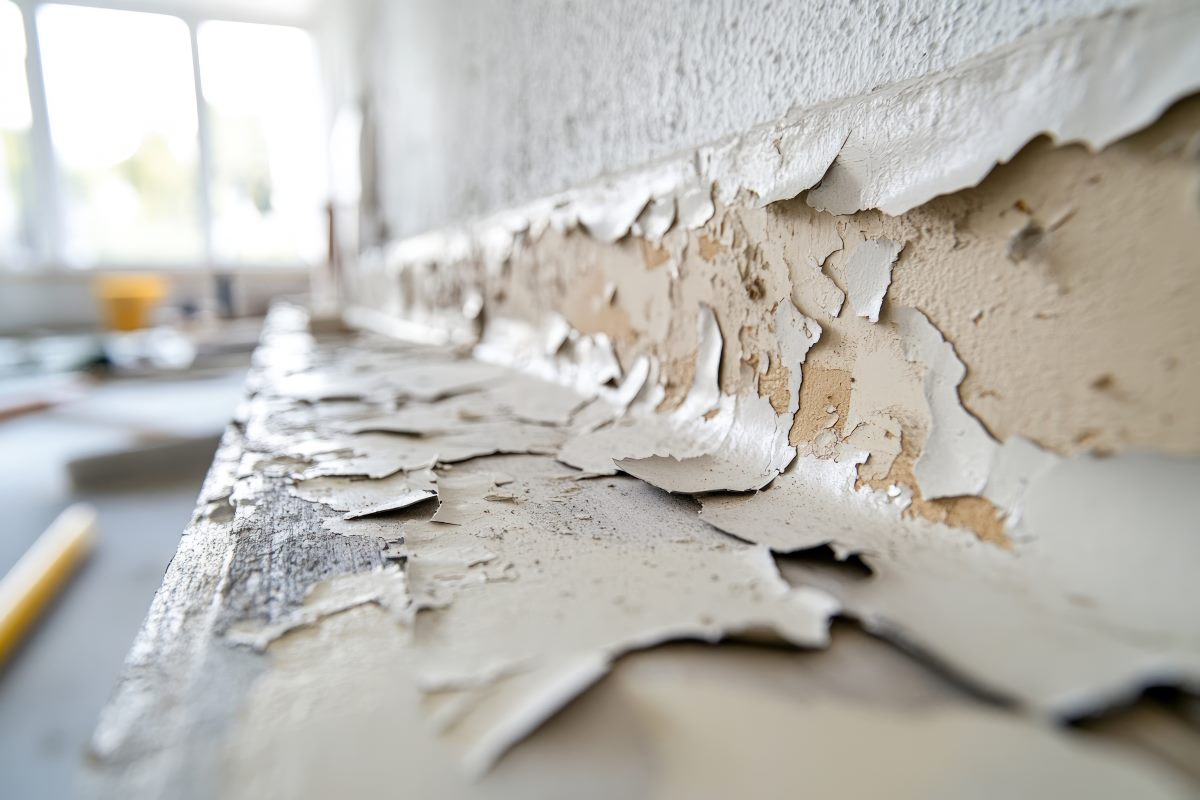
Different types of asbestos-containing materials carry different levels of risk. AIB is the highest risk because it releases fibres more easily when disturbed. Asbestos cement is the lowest risk because the fibres are bound in cement matrix. This categorisation matters because the appropriate response and cost of dealing with each type varies significantly.
The Legal and Disclosure Position
There’s no legal requirement to remove asbestos from a domestic property, and asbestos in good condition and undisturbed generally poses no immediate risk. Selling with known asbestos in place is entirely legal.
What sellers must do is disclose known asbestos on the Law Society TA6 Property Information Form. Under the Building Safety and Environmental Hazards section (Question 7.1), sellers are asked to declare any known hazardous materials, including asbestos. Failing to disclose known asbestos is a breach of the Consumer Protection from Unfair Trading Regulations 2008 and exposes sellers to legal claims for misrepresentation after completion.
Not knowing about asbestos in the property is different from concealing it. Sellers can honestly answer “not known” if they’ve never had a survey done, though buyers’ solicitors sometimes interpret this cautiously and it can affect the price.
The Effect on Sale Price
Well-managed asbestos affects sale prices relatively little. Buyers and their solicitors know that most UK properties of a certain age contain asbestos somewhere, and disclosed asbestos that’s in good condition typically has minimal effect on offers.
Poorly-managed asbestos affects prices substantially. Deteriorating AIB panels, damaged asbestos cement, or asbestos that would require removal for planned renovations can reduce prices by £5,000 to £30,000 depending on the extent of work required and the buyer’s risk appetite.
The gap between the two positions is largely about information. Buyers presented with a professional asbestos survey and management plan typically respond much more calmly than buyers who discover asbestos through their own surveyor without warning. Getting a free property valuation that accounts for known asbestos gives sellers a realistic starting point rather than an optimistic one.
The Options for Handling Asbestos Before Sale
Option 1: Leave in Place With Disclosure
For asbestos in good condition that isn’t disturbed by normal use of the property, leaving it in place and disclosing the position is often the best route. Costs are minimal, the sale can proceed to any buyer willing to accept the disclosure, and the price impact is usually modest.
This works particularly well for asbestos cement roofing on garages, asbestos-containing floor tiles that are covered, and bound asbestos in materials that won’t be disturbed.
Option 2: Professional Removal
For asbestos that’s damaged or in a location that will affect future works, professional removal is often worth the investment. Licensed asbestos removal contractors typically charge £30 to £150 per square metre depending on material type and access. A whole-property asbestos removal for a mid-terrace might cost £3,000 to £15,000.
The advantages are that the property can then be marketed without the asbestos discount, and the buyer pool includes those who would refuse asbestos-containing properties outright.
Option 3: Sell As-Is With No Fees
For those who don’t want to fund removal work, selling to a specialist cash buyer who will take care of the asbestos removal relieves you of the upfront cost – as well as the extended timeline of removal work. The trade-off is naturally a lower price reflecting the buyer’s assumption of the asbestos position.
Getting a Professional Asbestos Survey
For properties where asbestos presence is uncertain but likely, commissioning a management survey typically costs £200 to £500 depending on property size and location. The survey identifies what’s present, where, and its condition, producing a management plan that guides both current owners and prospective buyers.
Refurbishment or demolition surveys are more expensive (£400 to £1,200) but more thorough, sampling suspected materials to confirm their content and providing detailed guidance for any planned works. These aren’t usually needed for sale purposes unless the buyer specifically requests them.
What Buyers Actually Care About
Buyers’ main concern with asbestos isn’t usually the material itself; it’s the uncertainty about scope and cost of dealing with it. Sellers who provide clear information (an asbestos survey, professional advice, or a plan for handling it) typically face much less price resistance than sellers who leave the buyer to work it out themselves.
Photographs of the specific materials, professional written opinions on their condition, and quotes for removal if that’s the recommended action all give buyers what they need to price the property confidently.
FAQs
Do sellers have to remove asbestos before selling a house in the UK?
No! There’s no legal requirement to remove asbestos from a domestic property. Sellers must disclose known asbestos on the TA6 Property Information Form, but removal is optional.
How much does an asbestos survey cost in 2026?
A management survey typically costs £200 to £500 for a domestic property. Refurbishment or demolition surveys, which involve sampling, cost £400 to £1,200 depending on property size and complexity.
Can mortgage lenders refuse to lend on a house with asbestos?
Most mainstream lenders accept properties with asbestos in good condition and appropriate disclosure. Deteriorating asbestos or high-risk materials like sprayed asbestos can affect mortgage availability, though most residential asbestos falls into the lower-risk categories.
Is it safe to live in a house with asbestos?
Yes, provided the asbestos is in good condition and undisturbed. Health risk comes from breathing asbestos fibres, which are only released when the material is damaged, drilled into, or disturbed by works.
How much does asbestos removal cost in the UK?
Licensed asbestos removal typically costs £30 to £150 per square metre depending on material type and access. Whole-property removal for a typical mid-terrace ranges from £3,000 to £15,000.