How to Sell a House With Structural Roof Damage Without Using an Estate Agent
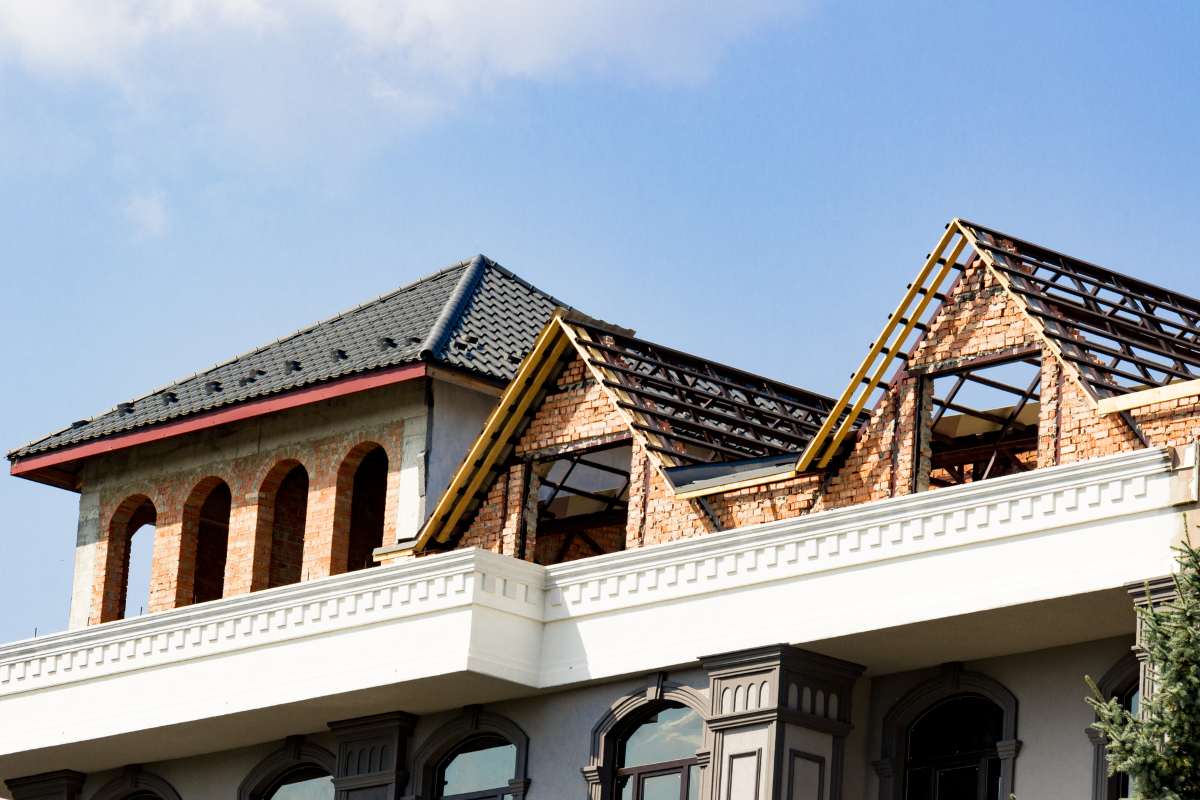
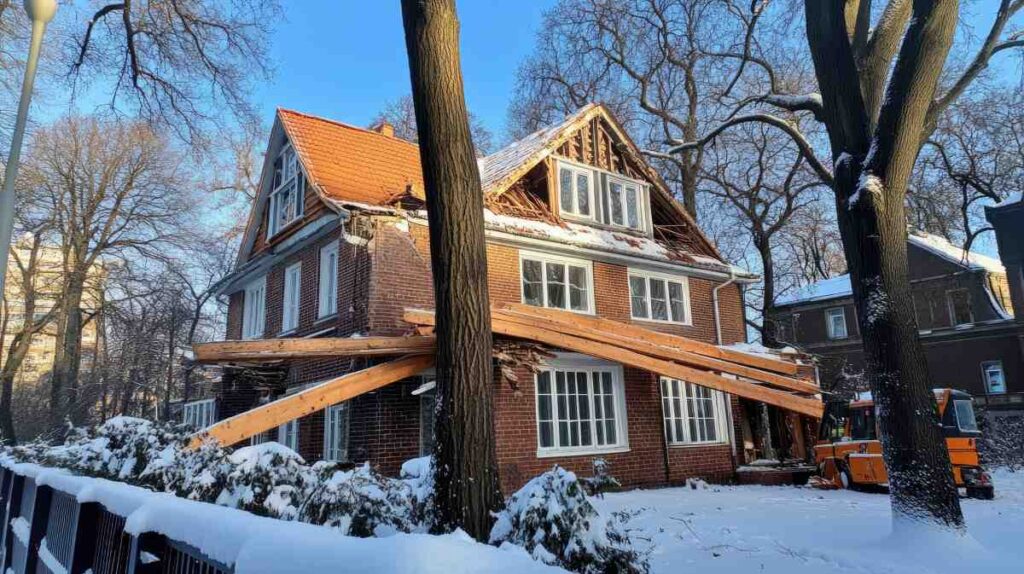
A damaged roof changes the way a house sells. Missing tiles and a leaking valley are cosmetic and cheap to fix. Structural damage is a different matter. Sagging ridges, spread rafters, rotten purlins and roofs that have moved because of failed timbers or overloaded coverings all affect the integrity of the building, and they put most mortgage lenders off entirely. If you’ve decided you’d like to avoid an estate agent as well, you have three practical routes: sell privately, sell at auction, or sell to a cash buyer. We’ll take you through what each one involves, what you’re legally required to do along the way, and how to decide which route fits your circumstances.
Understand What You’re Dealing With First
Before you can sell, you need to know what’s actually wrong. A roofer’s quote for repairs isn’t the same as a structural assessment, and buyers of any kind will want the latter. A structural engineer’s report will identify the cause of the damage, confirm whether the building is safe, and set out the work needed to put it right. It typically costs a few hundred pounds, and it does two useful things. It gives you a firm figure to negotiate against, and it stops a buyer from assuming the worst.
Common causes of structural roof problems include:
- Original timbers that were undersized for the span
- Concrete tiles replacing lighter slate without the structure being strengthened
- Long-term water ingress rotting rafters, wall plates or purlins
- Removal of internal load-bearing walls or ceiling ties during earlier renovations
- Woodworm or beetle infestation weakening the timbers
Knowing which of these applies shapes everything that follows, from the price you can expect to which buyers will engage.
Your Legal Obligations As A Seller
Selling without an agent doesn’t remove your duty to be honest. You’ll complete a property information form as part of the conveyancing, and if you know about the roof damage you must disclose it. Deliberately concealing a structural defect can result in a misrepresentation claim from the buyer after completion, which could cost far more than any reduction in price.
You’ll also need an Energy Performance Certificate, and if there’s any chance of the roof being unsafe you should take reasonable steps to protect anyone viewing the property. Beyond that, the legal process is the same as any sale. You instruct a solicitor, they prepare the contract pack, and the buyer’s side raises enquiries.
Option One: Selling Privately
You can advertise the property yourself through online listing platforms, local noticeboards, social media and word of mouth. This saves the agent’s commission, but it puts the whole workload on you: taking photos, writing the listing, arranging viewings, negotiating, and chasing the sale through.
The bigger issue with a structurally damaged roof is who’ll buy. Most private buyers need a mortgage, and most lenders will either refuse to lend or impose a retention until the roof is repaired. That means your realistic private market is limited to buyers who can pay cash or who are prepared to fund repairs before their lender releases the money. Expect a long marketing period and a lot of enquiries that go nowhere once the survey comes back.
Option Two: Auction
Auction suits damaged properties because buyers attend expecting to take on work, and once the hammer falls the sale is legally binding. You’ll set a reserve price, the auction house prepares a legal pack, and completion usually happens within 28 days of the sale.
The downsides are cost and uncertainty. Auction fees are often comparable to an agent’s commission, and if the property doesn’t reach its reserve you’re left with a public record of a failed sale. Prices can also be unpredictable, with bidders pricing in a generous margin for the roof work.
Option Three: A Cash Buyer
A cash buying company – like us at Sell House Fast – purchases the property directly, using its own funds, with no lender to satisfy. You get an offer based on the property’s current condition, a survey to confirm what you’ve told them, and a completion date you can plan around.
So if you’re looking to sell a house with structural damage, that’s what we’re here for – and the engineer’s report you’ve already commissioned will help us give you an accurate figure quickly.
The offer will sit below the value of the same house with a sound roof, because the cost and risk of the repair transfers to us. What you gain is certainty, speed, and no need to fund repairs, pay marketing costs or manage viewings.
Weighing The Three Routes Against Each Other
The right choice depends on how much time you have, how much work you’re willing to do, and how much certainty you need.
- If you have months to spare, a cash buyer of your own may eventually appear through private marketing, and you’ll keep the largest share of the value
- If you want a binding sale on a fixed date and don’t mind some cost and price risk, auction is a strong option
- If you want the simplest process and a guaranteed completion, a cash buyer is usually the quickest and least stressful route
Whichever you choose, get the engineer’s report first. It costs little and it improves your position in all three scenarios.
FAQs
Can you sell a house with a damaged roof without fixing it?
Yes. You’re under no obligation to repair before selling, but you must disclose the damage honestly. The buyer pool narrows to those who can proceed without a standard mortgage, which is why cash buyers and auction bidders dominate this part of the market.
Do I need a structural engineer’s report to sell?
There’s no legal requirement, and we’d still strongly advise getting one. It confirms the extent of the problem, gives buyers confidence, and stops them pricing in worst-case assumptions.
Will a mortgage lender lend on a house with roof structural damage?
Rarely without conditions. Most lenders either decline or hold back part of the loan until the work is completed, which means a mortgage buyer would need to fund the repairs from their own money.
Is it cheaper to sell without an estate agent?
You avoid the commission, but you take on the marketing, viewings and negotiation yourself. Auction houses charge their own fees. A cash buyer typically charges no fees to the seller, so the saving there is direct.
How quickly can a cash buyer complete on a damaged property?
Once the survey and legal work are done, completion happens on a date agreed with you. A clear engineer’s report and a responsive solicitor keep the timescale short.
Should I get roof repair quotes before selling?
It helps. Quotes from reputable contractors give you and any buyer a shared basis for the discussion about price, and they show you’ve taken the issue seriously.