What are the Rules for Shared Driveways?
Shared driveways sound simple on paper. Two or more households use the same bit of tarmac or gravel to access their homes or parking spaces.
But when it comes to the fine print, things can get messy. Whose job is it to maintain the surface? What happens if someone blocks access? And what are your rights if you want to sell?
In this guide, we’ll walk you through the most common questions and concerns around shared driveway rules, from who owns what to how to divide a shared driveway fairly.
What counts as a shared access driveway?
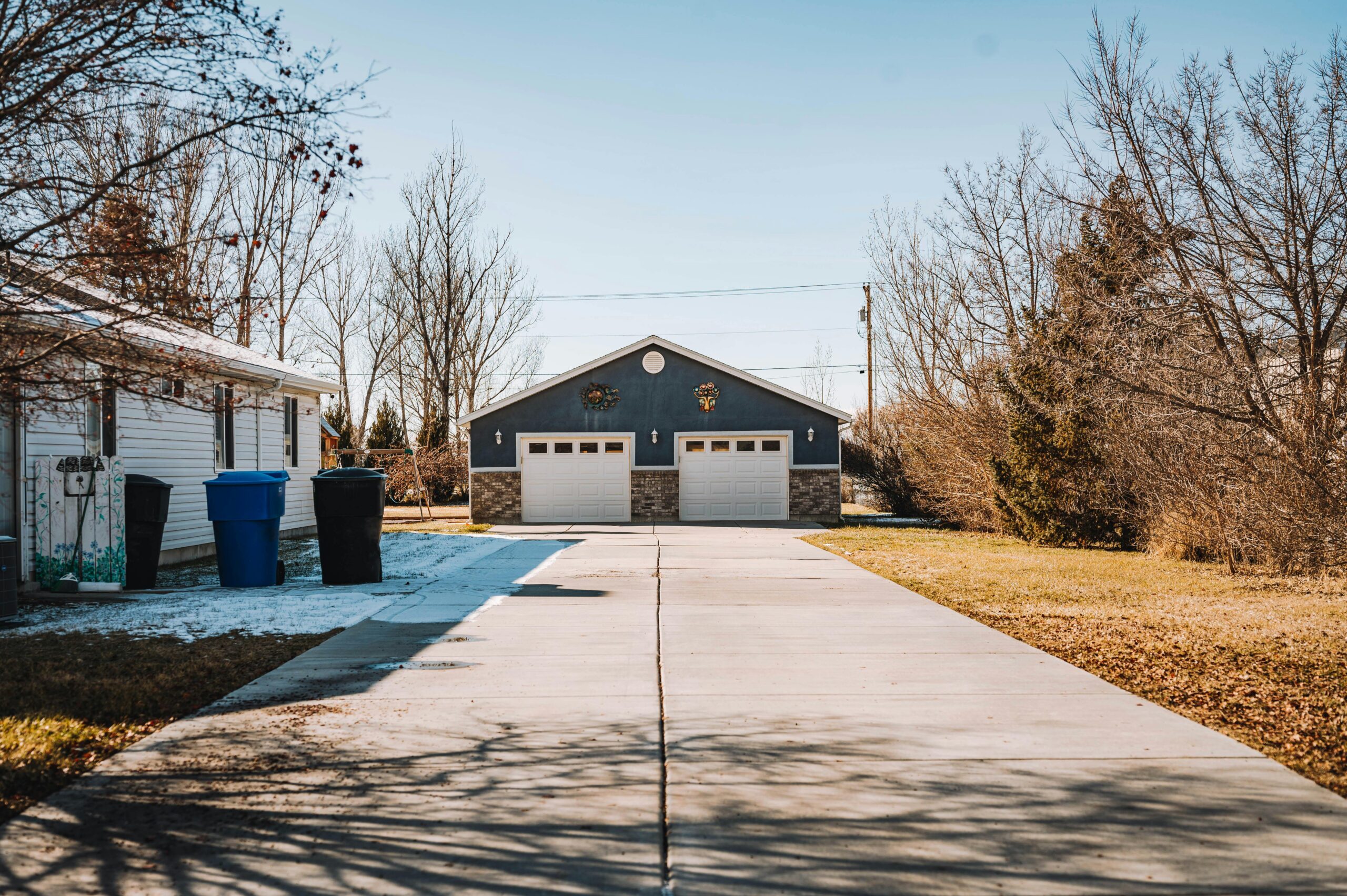
A shared access driveway is any stretch of private road, track or drive that gives access to more than one property. It could be a narrow alley between terraced houses, a gravelled lane running alongside a row of semis, or even a long private road serving several homes.
The key thing is that it’s not a public road. It’s private, and the owners whose homes it serves have the right to use it.
These rights are usually set out in the property deeds or Title Register. In legal terms, the right to use the drive is called a “right of way” or an “easement”.
Do shared driveways have to follow certain rules?
Yes, but not all shared driveways are the same. There’s no one-size-fits-all law covering every shared drive in the UK. The rules for shared driveways usually depend on:
- What’s written in your property deeds
- What’s shown on the Land Registry Title Plan
- Local authority agreements (rare, but possible on newer builds)
- Any private arrangements between neighbours
Some properties have clear terms outlined in writing. Others rely on long-standing custom, which can make things more complicated.
Who owns a shared driveway?
It depends on the layout and the deeds. In some cases, the shared access driveway belongs to one homeowner, and others simply have the right to use it. In others, it’s jointly owned.
You can check this on your Title Register via the Land Registry. You’ll usually pay a small fee to download the documents. Look out for terms like “right of way” or “easement” in the register.
Still not sure? A solicitor or conveyancer can check for you.
What are my rights on a shared driveway?
If you’ve got a legal right of way, then you’re allowed to use the driveway to access your property. But that right only goes so far. You’re not usually allowed to:
- Block the driveway with your car
- Park on it (unless the deeds explicitly say you can)
- Use it in a way that restricts your neighbour’s access
In short, you have a right to pass over it, but not to obstruct or monopolise it.
Can I park on a shared driveway?
This is one of the most common flashpoints. Unless your property deeds say you can, you’re not automatically allowed to park on a shared access driveway.
Even if there’s space, parking there could be considered a nuisance if it blocks access for your neighbour. In extreme cases, it could breach their right of way and land you in hot water.
Who maintains a shared driveway?
That’s another area where it depends on what’s in writing. Some deeds clearly say who’s responsible for upkeep. Others are silent, which can cause confusion.
If the deeds are vague, there’s often a shared responsibility between those who use it. You and your neighbour might agree to split costs 50/50, or each handle repairs on your side.
If things break down, mediation is usually a better first step than going straight down the legal route on day one.
How do I divide a shared driveway?
Legally splitting a shared driveway can be tricky. If you and your neighbour both own part of it and want to divide it, you’ll need to:
- Check your Title Deeds to confirm boundaries
- Agree a formal variation with your neighbour
- Possibly apply to update the Land Registry if changes are permanent
You’ll likely need a solicitor to draw up any legal changes. It’s not something to tackle with a casual agreement or a new fence one afternoon. You’ll also need to make sure there’s still suitable access for both parties.
If you’re just looking to make things clearer visually, a line of planters or a change in surface material can help mark boundaries without legal implications.
What if a neighbour blocks a shared driveway?
If your neighbour blocks a shared drive and prevents you from accessing your property, they could be breaching your legal right of way.
It’s worth starting with a friendly chat. They may not realise the impact of what they’re doing. If that fails, you can escalate:
- Write a formal letter explaining the issue
- Get legal advice or use a mediator
- As a last resort, take legal action for obstruction of an easement
Courts generally frown on people who block access or try to claim shared space as their own. But it’s always better to resolve things amicably if you can. For more advice on neighbour disputes and rights of way, Citizens Advice is a good place to start.
Can shared driveway disputes affect a house sale?
Absolutely. Buyers often get cold feet when they hear the words “shared drive”, especially if there’s been a dispute. If you’re selling a property with a shared drive here are the three golden rules:
- Be upfront about it
- Make sure the rights of way are clear in your legal pack
- Be prepared to answer questions during conveyancing
If there’s a long-running disagreement with a neighbour, you may want to resolve it first or at least document what’s been tried. Disputes that go undeclared can come back to bite you later.
What’s the law on shared driveways in the UK?
There isn’t one single act or rulebook for shared driveway rules. Instead, it’s a mix of:
- Property law (rights of way and easements)
- What’s in your individual Title Deeds
- Agreements between neighbours
If you’re confused, it’s worth checking with a solicitor, especially if you’re planning to sell up, or make changes to the drive.
Can you get buildings insurance with a shared driveway?
Yes, but you should always declare it. Some insurers may ask for details about who maintains the drive, or what rights of access are in place.
If your shared driveway is in poor condition or you’ve had neighbour disputes, it could affect your premium. Being clear and proactive can help avoid problems with claims later.
How can I make my shared driveway more sale-friendly?
If you’re not looking to sell just yet but want to prepare, here are a few things that help:
- Get the deeds and Land Registry records in order
- Clarify parking and access arrangements in writing
- Keep the surface well maintained and free of obstructions
- Try to keep things friendly and fair with neighbours
Buyers love clarity. The more you can do to show that your shared driveway is well managed, the better.
Need a fresh start? We can help
If you’re stuck in a shared driveway deadlock, or just want to sell up and move on without the stress, we’re here for you.
At Sell House Fast, we buy all kinds of properties, including those with shared driveways, legal complications or difficult neighbour dynamics.
We’ve helped thousands of homeowners move on from situations like:
- Shared drive disputes making it hard to sell
- Unclear ownership or outdated deed terms
- Delays with mortgage buyers pulling out over shared access concerns
We buy any house, flat or bungalow across the UK, often in a matter of days. There are no fees, no fuss and no uncertainty. We’ll make you a fair cash offer and handle everything for you. You don’t need to deal with agents, viewings or drawn-out legal processes. We’ll take care of it all.
You don’t need to untangle deeds or wait for a buyer who’s put off by shared access. We’ve seen it all before, and we’ll make the process easy.
Curious about what we’d pay? Get a no-obligation free cash offer today.