What is the Maximum Height of Trees Near Houses in the UK?
When trees grow tall near your home, it’s natural to wonder if there’s a legal limit. Are your neighbour’s towering conifers allowed to block your light? Can you be told to chop yours down if they’re growing too close to a boundary?
If you’ve been squinting at the sky and wondering what the rules are, you’re not alone. In this guide, we’ll answer the key questions about tree height near homes in the UK, explain your rights, and walk you through what to do if overgrown trees are causing problems.
Is there a maximum legal height for trees in the UK?
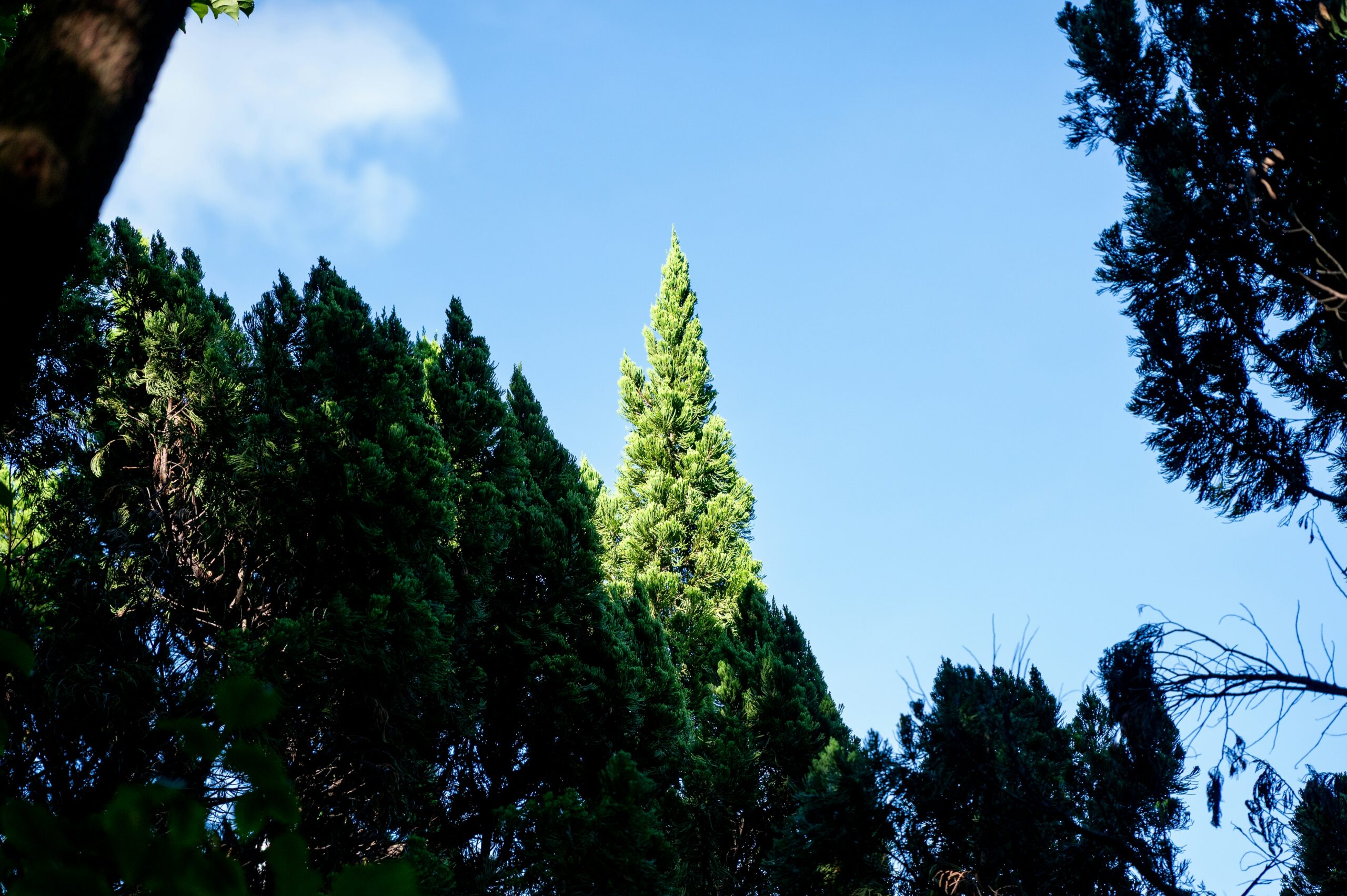
Let’s clear this up straight away: there is no specific law limiting how tall a tree can be in the UK. Trees are allowed to grow to their natural height, even if that’s 60 feet or more.
What does matter is the impact that tree is having.
For example, if a tree blocks light into your home, overhangs your property, or causes structural problems, you may have a case for action. But the key thing is the effect that the tree has, rather than the height of the tree.
What about high hedges?
While trees can grow as tall as they like, hedges are treated differently because there are specific high hedges laws.
Under the Anti-social Behaviour Act 2003, councils can intervene if a hedge is:
- Made up of at least two evergreen or semi-evergreen trees or shrubs
- Over 2 metres high
- Affecting a neighbour’s enjoyment of their property
This law doesn’t apply to single trees. But if you’ve got a dense row of leylandii towering over the garden fence, your neighbour can complain. And if the council agrees, you could be asked to reduce the height.
Can I cut back my neighbour’s tree?
If a tree from next door is hanging over your garden, you’re legally allowed to trim it back to your boundary, as long as you:
- Don’t trespass onto their land
- Don’t damage the tree
- Offer the branches back if they want them (legally, they still belong to the tree owner)
But it’s always better to talk first. A friendly word face-to-face can avoid turning a small issue into a full-blown neighbour dispute.
You’re not allowed to cut beyond the boundary, or damage the tree in a way that could harm its health. That could leave you open to legal action.
What if a tall tree is blocking light to my home?
This is one of the most common complaints, and it’s also one of the trickiest to solve.
In general, there’s no legal right to sunlight in your garden or home. That means even if a massive tree is blocking your afternoon rays, you don’t automatically have the right to demand it be reduced.
However, you might be protected under the Right to Light if the window in question has received natural light for more than 20 years. That’s a civil matter, not something enforced by the council. And it usually requires legal advice to pursue.
Can trees damage my property?
Yes, and this is where things get serious. Roots from large trees can damage drains, foundations and garden walls, especially if they’re too close to the house.
If a neighbour’s tree is causing subsidence, cracked paving or structural issues, you may be able to claim damages. But you’ll usually need a professional assessment first.
Take note, if you ignore a known issue (like a tree you own that’s damaging your neighbour’s fence) you could be liable for repair costs or legal action. Prevention is better than cure.
How close can trees be planted to a house?
There’s no one-size-fits-all rule, but the general advice is:
- Small trees (up to 7m) should be planted at least 3m from buildings
- Medium trees (up to 12m) should be 5m away
- Large trees (12m+) should be 10m or more from structures
This helps avoid root damage, overhanging branches and nuisance issues later on. If you’re buying a property, it’s worth checking what’s growing close to the walls.
What happens if the tree has a preservation order?
Some trees have Tree Preservation Orders (TPOs), which means they’re legally protected by the local council. If that’s the case, you can’t prune, cut down or uproot the tree without permission…yes, even if it’s on your land.
TPOs are usually in place for trees of significant local value, either because of their age, appearance or environmental role. Trees in a Conservation Area are also protected and will need an application to the council before you can do any work on them.
Check with your local authority before taking any action. If you break a TPO, the fines can be steep.
Can overgrown trees affect selling a property?
Sadly, yes, they absolutely can. Overgrown or too-tall trees near your home can put off potential buyers, especially if they block light, risk damage or raise concerns about subsidence. In some cases, buyers might even ask for the trees to be trimmed before exchanging contracts.
If a neighbour’s tree is the problem, it can be even more complicated. Disputes over who’s responsible or worries about legal battles can delay sales or scare buyers away entirely. That’s why it’s worth dealing with tree issues as early as possible in the selling process.
Ready for a fresh start?
So, technically there isn’t a maximum height of trees near houses in the UK. Trees can grow as high as they like, but if they cause problems, there are steps you can take.
Understanding your rights is the first step. And if you need to move on from a property that’s become too stressful to manage, we’re here to help.
If a troublesome tree is making it hard to sell, or causing stress with neighbours, you’re not the first to find yourself stuck. Selling a home can already feel like hard work. When you add in tree disputes, slow surveyors or costly maintenance, it’s so easy to feel overwhelmed.
That’s where we come in. At Sell House Fast, we buy properties in any condition, including those with tree-related issues. Whether there’s a TPO on the tree, root damage affecting a sale or a dispute brewing over boundary lines, we can still make a fair cash offer and help you move on and start your next chapter.
We offer:
- A personal, human service (no call centres, we’re an experienced team who wants to help you)
- A simple, transparent process with no hidden costs
- Fast completions, often in a matter of days or to suit your timeline
- UK-wide coverage. We buy any house, bungalow or flat.
- Expertise in buying homes with legal or structural complications
Enter your postcode today to get a free, no-obligation cash offer.