Can You Sell a House With Sitting Tenants to a Cash Buyer?
This is one of the situations cash buyers handle best, precisely because it’s one the open market handles so badly. A tenanted property is awkward to sell to an owner-occupier, who can’t simply move in, and it’s often unattractive to the kind of landlord buyer who needs a buy-to-let mortgage, because lenders treat tenanted purchases with caution. A cash buyer using its own funds has neither of those problems. In fact, many of them actively want tenanted stock, which turns the thing that scares off the open market into a positive.
For a landlord looking to exit, or anyone who’s inherited a property with tenants already in it, that flips the usual difficulty on its head. Here’s how it works and what to expect.
Why Tenanted Property Is So Hard To Sell The Usual Way
Most buyers on the open market want to live in the home they’re buying. A sitting tenant means they can’t, at least not without serving notice and waiting for it to run, so the pool of interested buyers shrinks down to other landlords. Those landlords usually need a buy-to-let mortgage, and lenders scrutinise tenanted purchases closely, which slows everything and pushes up the odds of the sale falling through. The upshot is a property that lingers, often eventually selling only after a price cut, or after the owner has gone through the cost and hassle of getting the tenants out first.
Why Cash Buyers Actively Want These
A cash buyer is frequently an investor or landlord in their own right, which makes a tenanted property an asset rather than an obstacle. There’s no mortgage lender to satisfy and no need for vacant possession, so the existing tenancy can simply roll on under new ownership. For example, Sell House Fast, a cash buyer for tenanted properties, takes on almost any property and lets the seller set the completion date, which suits a landlord timing an exit around a tenancy term or selling off part of a portfolio.
The buyer is, in effect, buying an income-producing asset, so the tenant is a feature of the deal rather than a complication to be removed.
What Happens To The Tenant?
In most cases the tenancy simply transfers with the property. The buyer becomes the new landlord, the existing agreement carries over, and the tenant’s rights are unaffected by the change of ownership. This is usually the smoothest outcome for everyone involved: the tenant stays put, the seller avoids the cost and delay of obtaining vacant possession, and the sale completes faster as a result. The precise mechanics depend on the type of tenancy and its terms, which is why a buyer will want to see the agreement early in the conversation.
Selling When The Tenants Are A Problem
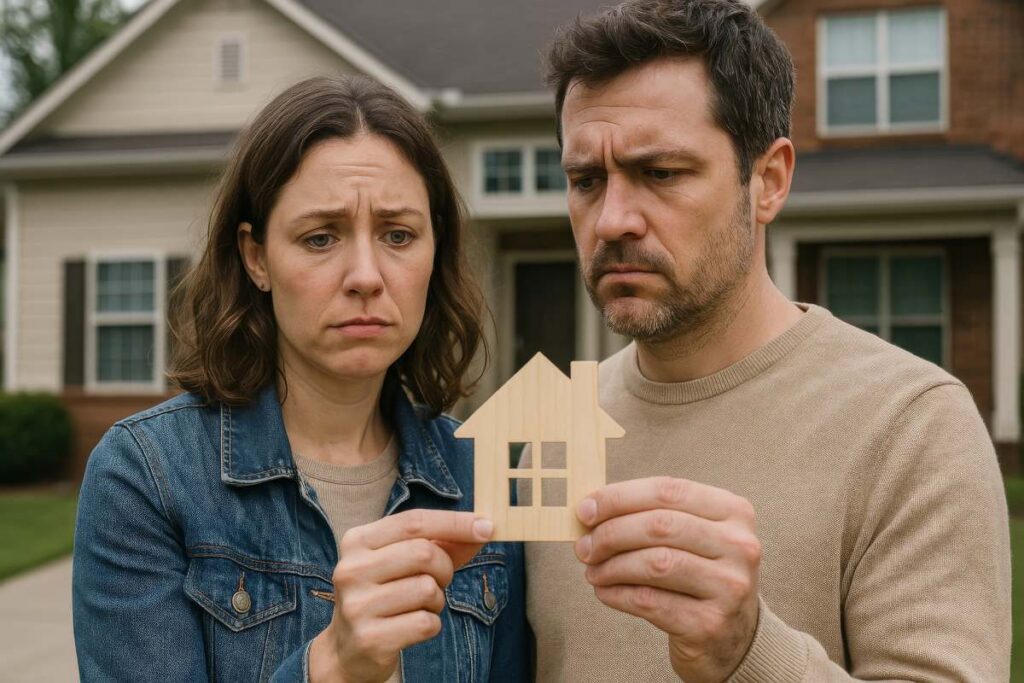
The picture shifts a little when there’s a dispute, rent arrears, or a tenant the landlord wants gone. A cash buyer can still purchase in these situations, but the offer and the process will reflect the added complexity. Some buyers prefer to take the property with the tenant in place and deal with matters themselves once they own it; others will wait for a tenancy to end before completing. Either way, selling to a cash buyer is usually far less painful than trying to clear the property and sell it on the open market, which can mean months of legal process before the home is even on the market.
A Word On Notice And Timing
One of the quieter advantages of selling tenanted to a cash buyer is that it sidesteps the notice problem altogether. A landlord who wants to sell with vacant possession normally has to serve the correct notice, wait out the statutory period, and hope the tenant leaves on time, a process that can stretch over many months and occasionally ends up in court. Selling with the tenant in place removes that waiting game entirely, because the buyer is happy to inherit the agreement as it stands.
For a landlord whose main motivation is simply to be out of the property and the responsibilities that come with it, that can be the single biggest reason to choose a cash buyer over the open market. The sale and the tenancy stop being two competing timelines and become one straightforward transaction.
The Documents To Have Ready
A tenanted sale moves faster when the paperwork is sitting ready rather than being chased. A buyer will typically want the tenancy agreement, the deposit protection details, a record of the rent, the gas safety and electrical certificates, and the EPC. Having these to hand at the first conversation lets the buyer make a firm offer sooner and keeps the conveyancing from stalling. It also signals to the buyer that the tenancy has been run properly, which can support a stronger offer.
Does Having Tenants Impact The Sale Price?
As with any cash sale, the offer reflects a discount for speed and certainty, generally 75 to 85 per cent of market value. For a tenanted property that might otherwise sit unsold for months, or sell only after the expense and delay of removing the tenants, that discount is often smaller in real terms than it first appears. The seller also sidesteps void periods, continued management headaches, and the very real risk of a buy-to-let buyer’s mortgage falling through late in the day. Weighed against all of that, a firm cash offer on a property that’s genuinely hard to shift looks rather different from the same discount on a textbook family home.
FAQs
Can you sell a house with tenants still living in it?
Yes, you can sell a tenanted property without removing the tenants, and cash buyers are particularly well suited to it. The tenancy usually transfers to the new owner along with the property.
Will the tenant have to move out when I sell?
Usually not. In most cases the tenancy continues under the new owner, and the tenant’s rights are unaffected. Whether vacant possession is needed depends on the buyer and the circumstances.
Why won’t normal buyers purchase a tenanted property?
Owner-occupiers can’t move in, and landlord buyers usually need a buy-to-let mortgage that lenders scrutinise heavily. This shrinks the buyer pool and raises the risk of the sale collapsing.
Can a cash buyer purchase a property with problem tenants?
Yes, reputable cash buyers will consider properties with arrears or disputes, though the offer reflects the added complexity. Strong customer service matters here, since these sales need clear communication throughout.
What paperwork do I need to sell a tenanted property?
The tenancy agreement, deposit protection details, a rent record, gas and electrical safety certificates, and the EPC. Having these ready lets the buyer make a firm offer and speeds up the conveyancing.
Do I get less money selling with tenants in place?
The offer reflects the usual cash discount, but selling tenanted avoids void periods and the cost of obtaining vacant possession. For a property that would otherwise struggle on the open market, the real-terms difference is often modest.