What Happens When You Sell a House Directly to a Cash Buyer?
A direct cash sale strips out almost everything that makes a normal house sale slow and stressful. There’s no listing, no stream of strangers traipsing through the house, no chain of buyers each waiting on the one behind them, and no mortgage lender holding a veto over whether the deal happens at all. The company buys the property outright with its own money, which removes the parts of a sale most likely to collapse or drag.
That sounds simple, and in practice it’s, but sellers understandably want to know what they’re actually signing up to. So here’s the whole thing, from the first phone call to the money landing in the account.
The Process In Plain Terms
Most direct sales run through five stages: an enquiry, a preliminary offer, a valuation, a formal offer, and completion through solicitors. The entire sequence can take a week or two, rather than the five or six months an agent-led sale typically eats up. None of the stages is complicated, and the seller stays in control throughout.
First Contact, And What They Ask
It starts with the seller getting in touch and describing the property: where it’s, what type it’s, its rough condition, and why they’re selling. Nothing is committed at this point, and nothing should be pushed. A reputable buyer uses this first conversation to understand the situation, not to extract a signature. A good sign, frankly, is a company that treats a messy or unusual case, a probate tangle, a difficult tenant, a property in poor repair, as routine rather than as a problem to be talked down.
The First Offer Lands Fast
A preliminary cash figure usually follows quickly, sometimes within hours. This is an indicative number, worked out from the details the seller has given and recent sale prices for similar homes nearby. It’s not the final word, but it gives the seller something solid to react to before anyone sets foot in the property. At Sell House Fast – a company that makes fast cash offers and buys over 300 homes a year – this preliminary figure is provided for free and with no obligation attached, so there’s no cost to simply finding out where they stand.
Then Comes The Valuation
If the preliminary figure is worth chasing, an independent valuation confirms the property’s market value, and this is where the offer firms up. A serious buyer bases its final number on that valuation. It doesn’t pluck a flattering figure out of the air to hook the seller and then chip it away later. Sellers should expect a genuine cash offer to come in somewhere around 75 to 85 per cent of market value. That discount isn’t a con; it covers the buyer’s costs, the speed, and the certainty of a sale that won’t fall through.
The Formal Offer And Your Call
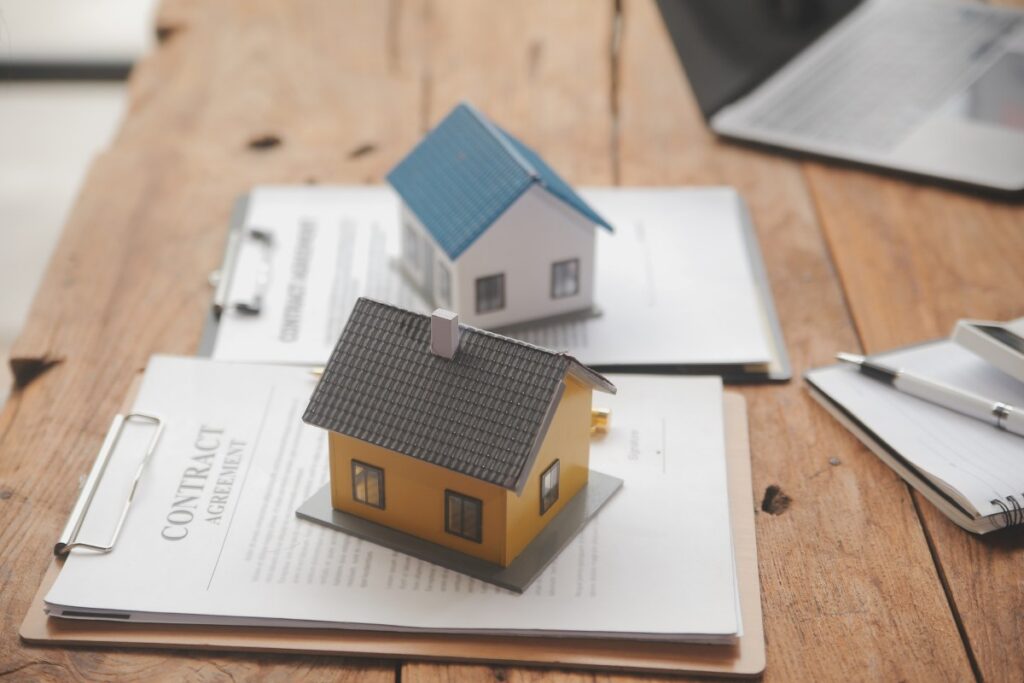
The formal offer arrives in writing. A trustworthy company will state plainly that this figure holds all the way to completion and won’t be quietly reduced at the last minute. This is the moment to ask for proof of funds, and a real buyer will produce it within a day, through a solicitor’s letter or a redacted bank statement showing the money is there. From here the seller can accept, push back, or walk away with nothing lost. A reputable firm applies no pressure in any direction.
Solicitors, And Choosing Your Completion Date
Once the offer is accepted, the legal work begins. The buyer instructs its solicitor, the seller instructs their own, and the transfer proceeds without a chain to slow it. Crucially, the seller usually picks the completion date. That might mean moving fast to head off a repossession, or lining the sale up with a probate timeline, or simply choosing a date that fits an onward move. Using an independent solicitor, even when the buyer covers the cost, keeps the legal advice firmly on the seller’s side.
What You Never Have To Deal With
A long list of familiar problems simply never appears. No keeping the house immaculate for viewings that lead nowhere, no buyer pulling out after a survey, no chain breaking three doors down and dragging everyone back to square one. And no estate agent commission carved out of the proceeds at the end. Most reputable cash buyers – like Sell House Fast – also cover the seller’s legal fees, which takes another cost off the table entirely.
How And When You Get Paid
On the agreed completion day, the buyer’s solicitor sends cleared funds to the seller’s solicitor, who clears any outstanding mortgage and passes the balance straight to the seller. Because no other transaction has to line up first, the money tends to arrive the same day rather than after a nervous wait for a chain to settle. And because the offer was fixed in writing earlier, the seller already knows the exact figure they will receive, with no surprise deductions appearing at the eleventh hour.
Why Sellers Pick This Over The Open Market
The appeal is rarely the price, since the open market will usually beat a cash offer on the headline figure. The appeal is that the figure is real and the date is certain. A seller who has already watched one sale fall through, or who is up against a deadline they didn’t choose, tends to value a guaranteed completion far more than a higher number that might never materialise. The absence of viewings and the lack of any obligation to proceed also matter to people selling under difficult circumstances, where the open-market process feels like one more thing to manage at the worst possible time. For those sellers, the trade of value for certainty is an easy one to make.
FAQs
Is a cash sale legally different from a normal house sale?
No, the legal transfer of ownership works exactly the same way and still needs a solicitor or conveyancer. What’s missing is the mortgage and the chain, which is what makes it quicker.
Can the offer change after the valuation?
With a reputable buyer, the formal offer holds to completion. Companies that inflate an offer and then cut it before exchange are precisely what proof of funds and NAPB membership help you avoid.
How long does the whole process take?
A direct sale can complete in a week or two, against five to six months for an open-market sale. The seller usually controls the date, so it can run slower if that suits them better.
Do you need to repair the property first?
No, genuine cash buyers purchase in any condition and build the cost of any work into their offer. There’s no point spending money to make the property presentable.
Will a cash buyer take any kind of property?
Almost always, including tenanted, inherited, and problem homes; if a case falls outside what a company can handle, a good one will refer you to someone who can. Responsive service throughout is one of the clearest signs of a buyer worth dealing with.
How do you know the buyer actually has the money?
Ask for proof of funds before signing anything. A legitimate buyer provides a solicitor’s confirmation or a bank statement showing the funds are ready and waiting.