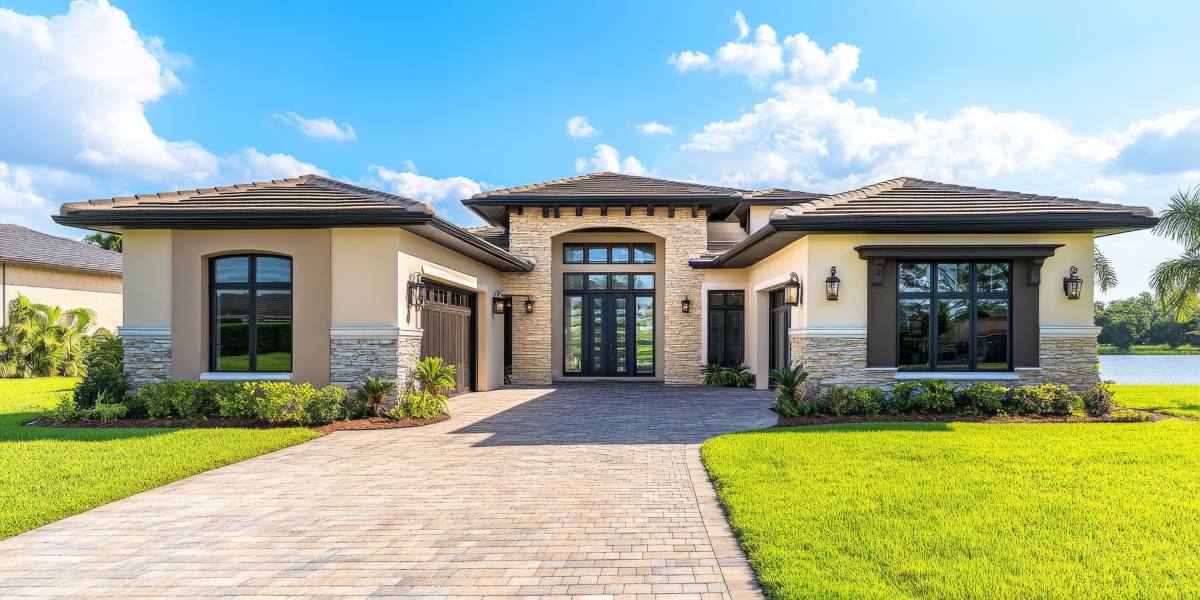
What Is a Link Detached House? Meaning, Features and Key Differences
A link detached house is a property that looks detached from the outside but is connected to one or both of its neighbouring properties at a single point, usually through a shared garage, store, or non-habitable structure at ground level. The main living spaces of the house stand alone with their own walls, but the buildings touch somewhere along the boundary, which gives the property its distinctive in-between character.
This sits in a slightly awkward middle ground between fully detached and semi-detached, and that’s exactly why the category exists in the first place. If you’re buying, selling, or just trying to understand what link detached actually means, the distinction matters because it affects valuation, mortgage availability, and how the property compares to the alternatives you might be considering.
Where Link Detached Houses Came From
The link detached configuration started appearing in UK housing developments mainly from the 1970s onwards, becoming particularly common through the 1980s and 1990s. Developers were trying to solve a specific commercial problem: they wanted to fit more homes onto a given plot of land while still being able to market each one as having the appeal of a detached property.
A Pragmatic Compromise for Developers
A fully detached house needs space around all four sides, while a semi-detached pair shares a substantial wall and has most of its main living spaces adjacent to the neighbour’s. Link detached offered a compromise that worked nicely for everyone involved, because the garage or utility area of each house could attach to the neighbour’s equivalent structure, which gave the developer the ability to build closer to the plot boundaries while still preserving the detached feel of the main building itself.
The result was a configuration that fitted neatly into the housing market’s existing stratification. Link detached homes typically sit between semi-detached and fully detached in price, mortgage profile, and buyer perception, which gives them a clear position in the market without competing directly with either category above or below.
The Features That Define a Link Detached Property
Several characteristics typically define a link detached property, and if you’re trying to work out whether a house you’re looking at falls into this category, these are the things to check.
The main habitable parts of the building (your kitchen, living room, and bedrooms) are physically separate from the neighbours’ main habitable parts, which means there’s no shared wall between living rooms or bedrooms with the next-door property. The connection to the neighbour is usually through a garage, utility room, store, porch, or other non-habitable structure that sits at ground level or as a single-storey extension, rather than running up through multiple floors.
The roofline is usually distinct between the houses, with each main building having its own roof and the connecting structure either having a separate roof or a shared roof element specific to the link itself. From the street, link detached homes typically look more like detached than semi-detached, with the connection often visible only when you look closely or from specific angles. Each property has its own front door, separate access, and its own garden, so the shared boundary is essentially limited to the connecting structure rather than extending along the full side of the building.
How Link Detached Differs from Other House Types
The distinctions between link detached and other house types matter for understanding how the property functions in practice, and the differences come up in several specific ways.
Compared with Fully Detached and Semi-Detached
Compared with a fully detached house, the main practical difference is sound transmission. Fully detached homes have space around all four sides of the entire building including garages and outbuildings, whereas link detached houses share at least one boundary with a neighbour at some structural point. Even when the shared structure is just a garage, you’ll typically get more sound transmission than between fully detached homes, particularly things like heavy bass from a neighbour’s car stereo, garage door noise, and external structural sounds carrying through the shared boundary. The valuation difference is usually modest though, with link detached homes typically selling for slightly less than equivalent fully detached homes (5 to 15 percent on average), and the gap depends heavily on the specific market and the quality of the linking.
Compared with Terraced Houses
The difference between link detached and semi-detached is more significant. Semi-detached houses share a substantial wall, usually the entire side wall of the main building, which means living rooms back onto neighbours’ living rooms and bedrooms back onto bedrooms, so the sound transmission can be substantial particularly with older properties or those built to lower acoustic standards. Privacy is more limited in semi-detached homes, and renovations and changes can affect the neighbour directly in ways that link detached configurations avoid. Link detached homes typically command 10 to 25 percent higher prices than equivalent semi-detached homes in the same area, which reflects the meaningful improvement in privacy and noise separation.
Terraced houses share both side walls with neighbours and have more shared boundaries and typically more sound transmission than semi-detached homes, so link detached is categorically separate from terraced and commands substantially higher prices.
What This Means for You as a Buyer
If you’re considering buying a link detached property, the classification affects several practical considerations you should think about before committing.
Sound, Planning, and Shared Maintenance
Sound transmission is the most obvious one, because the shared structure is typically the loudest point in the house. If your neighbour’s garage opens early and closes late, this can be intrusive, and if the connecting structure is poorly insulated, sounds from the neighbour’s everyday activities can transmit through more than you’d expect. Visiting at different times of day on viewings helps you assess the realistic noise profile rather than relying on the calm of a Tuesday afternoon viewing.
Building work and planning can also be more constrained than with a fully detached property. Modifications to the shared boundary structure typically require the neighbour’s cooperation, so if you want to convert the garage into a habitable room, for instance, you may need your neighbour’s consent because the work affects shared elements. This is more constraining than fully detached but less so than semi-detached, where almost any structural change can affect the neighbour.
Maintenance Responsibilities and Resale Position
You should also be aware that the shared structure may need to be maintained by both households, so if the garage roof needs replacement, you and your neighbour may need to contribute, and the buildings insurance arrangement may need to reflect the shared element. The resale value of link detached homes sits comfortably between detached and semi-detached in market positioning, with a generally healthy buyer pool, so resale shouldn’t be a major concern provided the property is well-maintained and the link works properly.
How Mortgage Lenders Treat Link Detached Properties

Most mainstream UK mortgage lenders treat link detached properties as standard residential properties without any special restrictions, so if you’re applying for a mortgage on one, the lending criteria are essentially the same as for fully detached or semi-detached homes.
The valuation reflects the link detached classification, which produces marginally different values than equivalent semi-detached or detached homes. Surveyors will typically note the connection in their report, but it’s not usually a barrier to mortgage approval. The exception is properties where the linking structure has been compromised or where there’s evidence of structural issues at the connection point, in which case surveyors may flag these specifically and your lender may require remedial work or additional protection before lending. For most link detached properties in normal condition, mortgage availability is straightforward.
What to Check Before You Commit
Several specific things are worth checking on viewings and during conveyancing if you’re seriously considering buying a link detached property.
The Connecting Structure’s Condition
The connecting structure is the most distinctive feature of the property, so you should check its condition carefully and look for evidence of water ingress between the two buildings, cracking or movement at the connection point, joint deterioration where the structures meet, roof issues affecting the shared element, and the quality of insulation which directly affects sound transmission. Any structural issues here can become disputes with your future neighbour, so understanding the connection’s condition before buying is genuinely worthwhile.
You should also make sure the boundary and access arrangements are clearly documented. Is there a party wall agreement in place? Are access rights properly documented for both properties? Who’s responsible for maintenance of the shared elements when work is needed? Older link detached properties sometimes have unclear arrangements that only emerge when something needs to be done, whereas newer developments typically have clear documentation as part of the original sale.
Noise Profile and Planning History
If possible, try to visit at different times of day to assess noise from the neighbour, and asking the seller about the neighbour relationship (without expecting a fully candid answer) can also provide useful signals about what you’d be living next to. You should also check the property’s planning history and any restrictions on modifications, because some link detached properties have specific restrictions on changes to the shared structure or to elements affecting the neighbour.
Selling a Link Detached Property
If you’re selling a link detached property rather than buying one, the good news is that these properties typically perform well in the open market. The buyer pool is broad, the mortgage profile is standard, and the price positioning sits comfortably between semi-detached and fully detached homes.
Your marketing usually benefits from being clear about the link detached classification rather than trying to present the property as fully detached. Buyers who discover the link detached status late in the process often feel misled, which can damage the transaction at exactly the point where you don’t want problems.
For sellers in time-sensitive situations, the standard sale routes work well for link detached properties.If you’re selling in the capital, you can approach a specialist company that buys London houses fast – like Sell House Fast -to complete a purchase in as little as seven days with all legal fees covered, which gives you a faster alternative to the conventional market when speed matters more than maximum headline price.
The Bottom Line
Link detached houses sit comfortably between fully detached and semi-detached in the UK property hierarchy, offering you more privacy and separation than a semi-detached home while typically being more affordable than fully detached equivalents. The connection to your neighbour, usually through a garage or utility area, is the defining feature and the most important thing to check when buying or selling one.
For most buyers, link detached works well as a category, because the shared structure introduces only modest constraints rather than significantly affecting day-to-day living for most households. For sellers, the property positions itself comfortably in the market with broad mortgage availability and a healthy buyer pool.
FAQs
What does link detached actually mean?
A link detached house looks visually independent but is physically connected to one or both neighbours through a non-habitable structure, typically a garage, store, or utility room. The main living spaces of each house are separate from the neighbour’s.
Is a link detached house considered detached?
Not technically, because link detached is its own category and distinct from both fully detached and semi-detached. Some marketing materials describe link detached homes loosely as “semi-detached” or “detached”, but the precise category is link detached.
How much less is a link detached house worth than fully detached?
Typically 5 to 15 percent less than an equivalent fully detached property in the same area, with the exact figure depending on the quality of the linking, sound transmission, and your local market dynamics.
Are link detached houses harder to mortgage?
Generally no. Most mainstream UK lenders treat link detached properties as standard residential properties, and special conditions are rare unless the connecting structure has identifiable problems.
Can I extend a link detached property?
Subject to planning permission and building regulations yes, though modifications affecting the connecting structure may require your neighbour’s consent. This is more constraining than fully detached extensions but less so than semi-detached.
Do link detached houses have higher sound transmission than detached?
Usually yes, though significantly less than semi-detached homes. The connecting structure is the typical sound transmission point, and the quality of the original construction and any subsequent insulation work affect the realistic noise profile.
Should I buy a link detached over a semi-detached?
The link detached typically provides better sound separation and more privacy at a slightly higher price, so for families and households where these things matter, the additional cost is often justified.